
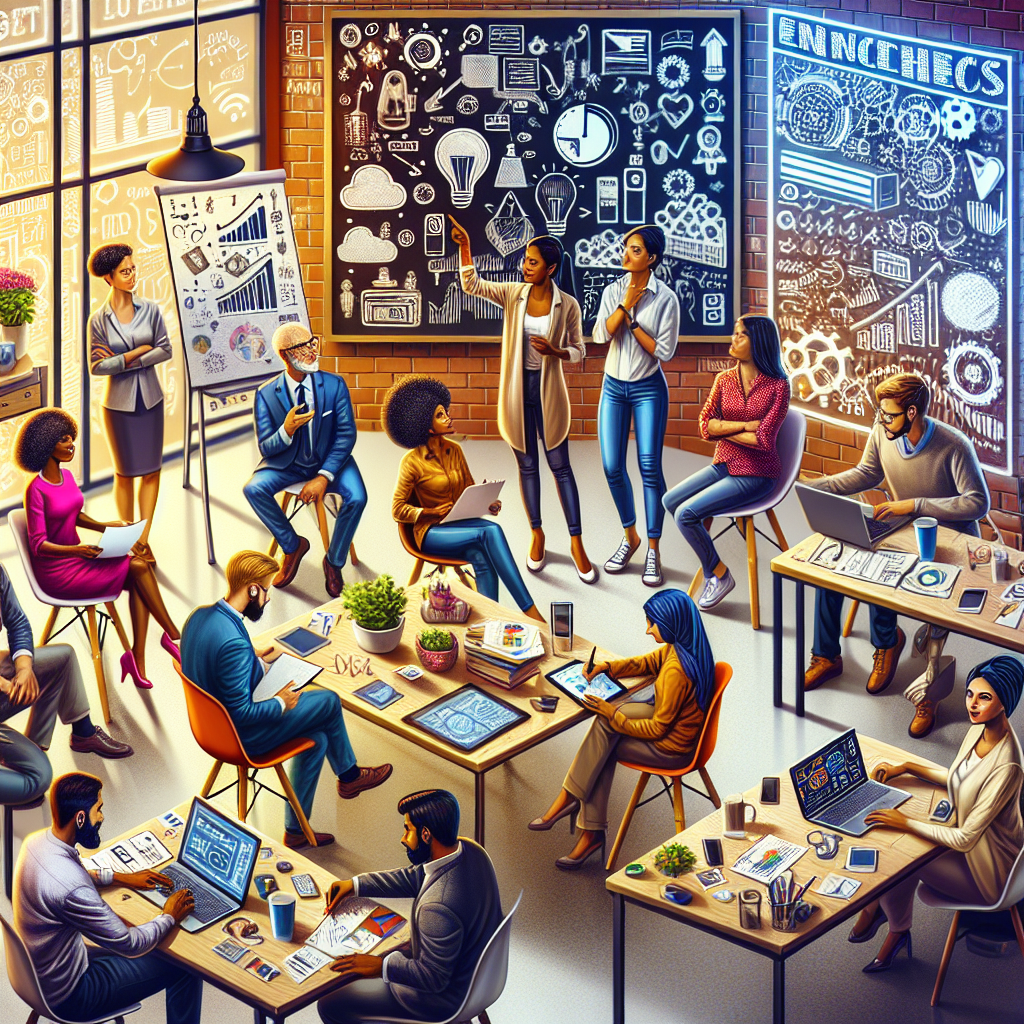
In recent years, entrepreneurship and startups have emerged as powerful forces driving global economic transformation. More than just buzzwords, they represent a shift in how people approach work, innovation, and value creation. This article explores the modern landscape of entrepreneurship and startups, delving into what fuels them, the challenges they face, and the impact they have on society and the global economy.
What is Entrepreneurship?
Entrepreneurship is the process of identifying a need or opportunity in the market and creating a business to address it. Entrepreneurs are risk-takers and visionaries who strive to bring innovative solutions to life, often disrupting established industries in the process. They play a critical role in job creation, technological advancement, and economic development.
What Are Startups?
Startups are newly established businesses, often founded by entrepreneurs, with the goal of developing unique products or services and scaling rapidly. Unlike traditional businesses, startups typically focus on innovation, scalability, and high growth potential. They are usually funded by venture capital, angel investors, or incubators in their early stages and are known for their dynamic, fast-paced environments.
The Evolution of Entrepreneurship
Historically, entrepreneurship was often associated with small, family-run businesses or local ventures. However, with the rise of the internet, globalization, and digital technology, the nature of entrepreneurship has evolved significantly. Today’s entrepreneurs operate in a borderless economy, leveraging digital tools, global talent, and online platforms to build businesses that can reach millions of customers worldwide.
The Digital Revolution
The digital revolution has lowered the entry barriers for starting a business. Cloud computing, e-commerce platforms, social media, and mobile apps allow entrepreneurs to launch products and connect with customers faster and cheaper than ever before. Tools like Shopify, Stripe, and Google Analytics enable even solo founders to manage global operations from their laptops.
The Lean Startup Movement
One pivotal moment in modern entrepreneurship was the emergence of the Lean Startup methodology, popularized by Eric Ries. This approach emphasizes rapid prototyping, validated learning, and agile development, allowing entrepreneurs to test their ideas quickly and pivot as necessary. It has become a foundational principle for many modern startups.
Why People Choose Entrepreneurship
There are several reasons why individuals pursue entrepreneurship:
- Autonomy: Many entrepreneurs value the freedom to make their own decisions and control their work environment.
- Passion: Building something meaningful often drives entrepreneurs more than financial gain.
- Opportunity: Entrepreneurs seek to solve problems and exploit market gaps.
- Flexibility: Entrepreneurship can offer a flexible lifestyle, especially with remote and digital work.
- Financial Potential: Though risky, successful startups can yield significant financial returns.
The Startup Ecosystem
The success of startups depends heavily on the ecosystem in which they operate. This includes:
- Incubators and Accelerators: Programs like Y Combinator and Techstars provide mentorship, resources, and funding.
- Venture Capital: VCs invest in high-risk startups in exchange for equity, fueling growth.
- Coworking Spaces: Places like WeWork foster collaboration and innovation.
- Government Policies: Tax incentives, grants, and startup visas help support entrepreneurship.
- Universities and Research Centers: These institutions often spin out innovation and talent into the startup world.
Challenges Entrepreneurs Face
While entrepreneurship is exciting, it also comes with a host of challenges:
1. Financial Risk
Starting a business often requires personal financial investment and carries a high risk of failure. According to data, about 90% of startups fail, with the most common reasons being lack of market need, cash flow problems, and poor management.
2. Market Competition
In a global economy, startups often face stiff competition from both established companies and other startups. Building a unique value proposition and achieving product-market fit is crucial.
3. Regulatory Hurdles
Navigating legal and regulatory requirements can be complex and time-consuming, especially for startups in highly regulated industries like healthcare or fintech.
4. Talent Acquisition
Hiring the right team is challenging, particularly when competing with large corporations that offer higher salaries and more job security.
5. Scaling
Many startups struggle to scale operations effectively. Growth brings new demands on infrastructure, customer support, and supply chains.
Entrepreneurship in Emerging Markets
Entrepreneurship has been a catalyst for change in emerging economies. In regions like Africa, Southeast Asia, and Latin America, startups have addressed local problems such as access to finance, healthcare, and education. Mobile money services like M-Pesa in Kenya and edtech startups in India have shown how innovation can drive inclusive growth.
Governments and NGOs are increasingly supporting entrepreneurship through funding, training, and infrastructure development. These efforts not only reduce unemployment but also foster a culture of self-reliance and innovation.
Social Entrepreneurship
Not all entrepreneurs focus solely on profit. Social entrepreneurs aim to solve social, environmental, or cultural issues through sustainable business models. Companies like TOMS Shoes and Patagonia exemplify how businesses can balance profit with purpose.
Social entrepreneurship is gaining traction, especially among younger generations who want to make a positive impact on the world. It is also supported by the rise of impact investing, where investors seek social and financial returns.
The Role of Technology
Technology continues to be a major enabler of entrepreneurship. Here are a few key areas:
- Artificial Intelligence (AI): Startups are using AI to personalize customer experiences, automate tasks, and gain insights from data.
- Blockchain: Decentralized technologies are opening new possibilities in finance, supply chains, and digital identity.
- Internet of Things (IoT): IoT startups are creating smarter homes, cities, and industries.
- Biotech and Healthtech: Entrepreneurs are driving innovation in diagnostics, treatments, and wellness platforms.
The Importance of Resilience and Mindset
Entrepreneurship demands a unique mindset characterized by resilience, creativity, and adaptability. Many successful entrepreneurs have faced multiple failures before achieving success. The ability to learn from mistakes, iterate quickly, and stay focused on long-term goals is what sets them apart.
Mental health is also a growing concern in the startup community. The pressures of building a business can lead to stress and burnout, making it important for entrepreneurs to prioritize well-being and seek support when needed.
Future Trends in Entrepreneurship
As we look ahead, several trends are shaping the future of entrepreneurship:
- Remote and Distributed Teams: The pandemic accelerated the shift to remote work, allowing startups to access global talent.
- Sustainability: Eco-friendly startups are gaining attention as consumers demand sustainable products and services.
- Diversity and Inclusion: There’s a growing focus on supporting entrepreneurs from underrepresented backgrounds.
- No-Code Tools: Platforms like Bubble and Webflow enable non-technical founders to build products without writing code.
- Decentralized Finance (DeFi): Startups in the crypto space are redefining financial services.
Conclusion
Entrepreneurship and startups are more than just economic drivers—they are cultural phenomena that reflect the ambition, creativity, and resilience of individuals around the world. Whether you're a budding entrepreneur or an investor, understanding the dynamics of this ever-evolving landscape is crucial.
As technology continues to advance and global connectivity increases, the opportunities for innovation and impact are limitless. By fostering supportive ecosystems, encouraging diversity, and embracing sustainable practices, we can ensure that entrepreneurship continues to be a force for positive change in society.
Whether you're launching your first startup or exploring the entrepreneurial path, remember: the journey is as important as the destination. Stay curious, stay resilient, and keep building.