
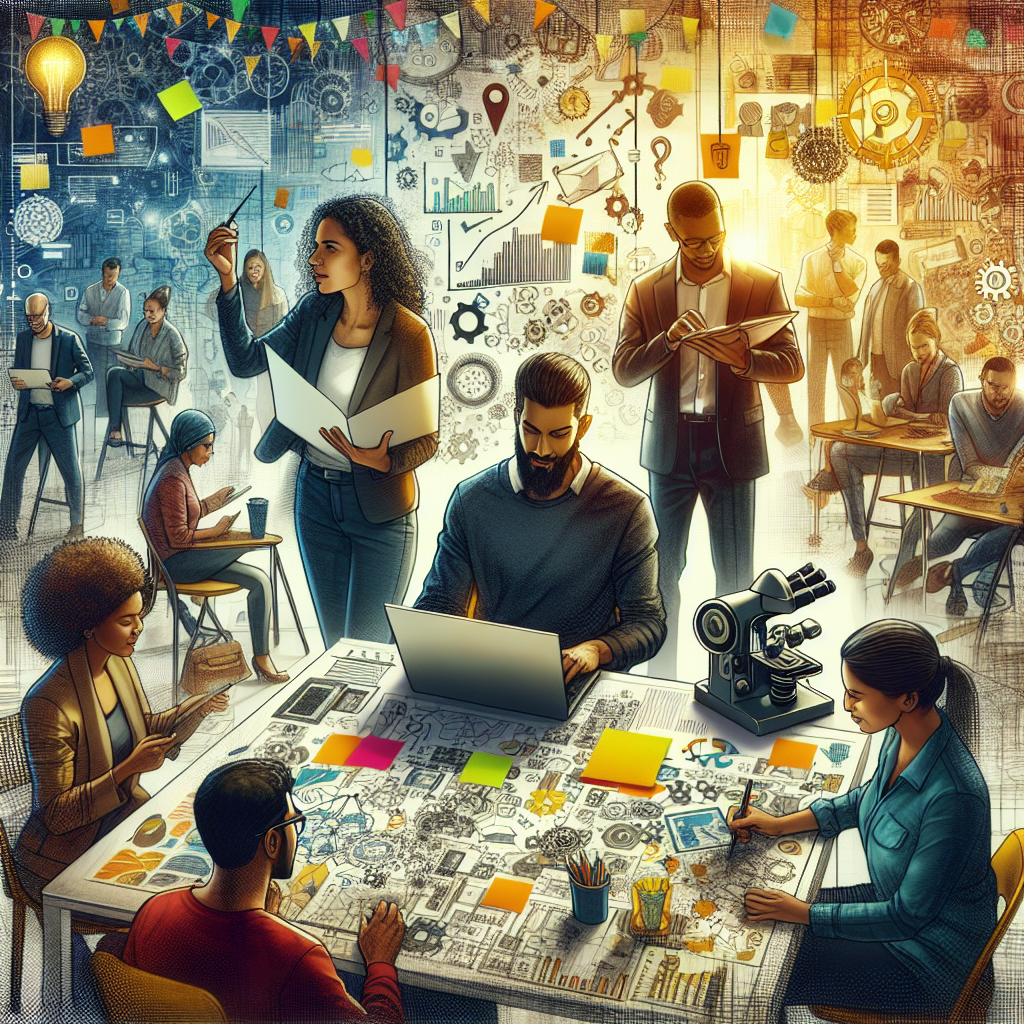
Entrepreneurship & Startups: Navigating the New Age of Innovation
In the past few decades, the world of business has undergone a profound transformation. The rise of entrepreneurship and startup culture has not only redefined how companies are built but has also reshaped economies, shifted societal values, and created a new wave of innovation. From Silicon Valley to Bangalore, from garage-based ventures to billion-dollar unicorns, startups have become the beating heart of economic growth and technological advancement.
But what exactly is entrepreneurship? How do startups differ from traditional businesses? And what factors contribute to their success or failure? In this comprehensive article, we’ll dive deep into the world of entrepreneurship and startups, exploring their evolution, importance, challenges, and what the future holds for aspiring entrepreneurs.
What is Entrepreneurship?
At its core, entrepreneurship is the act of creating, developing, and managing a business venture to make a profit while taking on financial risk. However, modern definitions have evolved to encompass more than just profit-making. Entrepreneurs are seen as innovators, disruptors, and visionaries who identify gaps in the market and create solutions that bring value to consumers and society.
Entrepreneurs come from all walks of life and industries—from tech and biotech to fashion and food. What binds them together is a mindset of resilience, creativity, and a relentless drive to turn ideas into reality.
Understanding Startups
A startup is a young company founded by one or more entrepreneurs to develop a unique product or service and bring it to market. Unlike traditional businesses, startups are designed to scale rapidly. They often operate in high uncertainty and rely heavily on innovation and technology.
While all startups are businesses, not all businesses are startups. A local bakery may be a new business, but unless it’s introducing a novel business model or technology with the potential for rapid growth, it wouldn’t be classified as a startup.
The Startup Ecosystem
A vibrant startup ecosystem is critical for nurturing entrepreneurial talent and innovation. This ecosystem includes:
- Entrepreneurs: The visionaries and risk-takers behind startups.
- Investors: Angels, venture capitalists, and crowdfunding platforms that provide the necessary capital.
- Incubators and Accelerators: Organizations that support startups through mentorship, funding, and resources.
- Government and Policy Makers: Entities that create favorable policies, tax incentives, and startup grants.
- Educational Institutions: Universities and training programs that equip future entrepreneurs with skills and knowledge.
- Service Providers: Legal, accounting, marketing, and IT services that support startup operations.
- Customers: Early adopters who provide feedback and validate the product-market fit.
The Evolution of Entrepreneurship
Historically, entrepreneurship has always existed—from ancient trade routes to the industrial revolution. But the modern startup boom began in the late 20th century, with the rise of personal computers and the internet.
The dot-com bubble of the late 1990s, though marked by volatility, laid the foundation for digital entrepreneurship. Companies like Amazon, Google, and eBay emerged during this era and redefined commerce and communication.
In the 2000s, the proliferation of smartphones, cloud computing, and social media platforms further democratized entrepreneurship. Anyone with an idea and internet access could potentially launch a global business.
Today, we are in the age of the Fourth Industrial Revolution, where technologies like AI, blockchain, and IoT are opening new frontiers for entrepreneurs to explore.
Why Startups Matter
-
Innovation Driver: Startups are at the forefront of innovation, creating new products and services that improve lives and solve pressing problems.
-
Job Creation: Startups contribute significantly to employment, especially in emerging markets.
-
Economic Growth: They bring investments, increase productivity, and stimulate competition.
-
Social Impact: Many startups focus on sustainability, education, healthcare, and other sectors that enhance societal well-being.
Key Characteristics of Successful Startups
-
Problem-Solution Fit: Successful startups address real problems with innovative solutions.
-
Scalable Business Model: They are designed to grow rapidly without a proportional increase in costs.
-
Strong Founding Team: A passionate, skilled, and adaptable team is often the backbone of a successful startup.
-
Market Timing: Launching at the right time can make or break a startup.
-
User-Centric Approach: Listening to customers and iterating based on feedback is crucial.
-
Access to Capital: Adequate funding helps startups scale and survive early challenges.
Challenges Faced by Entrepreneurs
-
Financial Constraints: Securing funding is often one of the biggest hurdles.
-
Market Competition: Breaking into a saturated market requires differentiation.
-
Talent Acquisition: Attracting and retaining skilled employees can be tough.
-
Regulatory Hurdles: Navigating legal and compliance issues takes time and expertise.
-
Burnout and Stress: The intense demands of startup life can take a toll on mental health.
-
Scaling Issues: Growing too fast without proper systems can lead to operational breakdowns.
Funding Stages of a Startup
- Bootstrapping: Founders use personal resources to get started.
- Seed Funding: Early investment from friends, family, or angel investors.
- Series A, B, C …: Venture capital funding rounds to scale operations.
- IPO or Acquisition: Exit strategies that offer liquidity to investors and founders.
The Role of Technology
Technology is a great equalizer in the startup world. Cloud computing, AI, machine learning, and big data have enabled startups to compete with large corporations. SaaS (Software as a Service) models, mobile apps, and digital platforms have significantly reduced the cost and time needed to launch businesses.
Social media and digital marketing allow startups to reach global audiences without traditional advertising budgets. E-commerce platforms and payment gateways make it easier to sell and monetize products online.
Global Startup Hubs
While Silicon Valley remains a beacon for startups, other regions have emerged as thriving hubs:
- Bangalore, India: Known as the “Silicon Valley of India.”
- Tel Aviv, Israel: A leader in cybersecurity and deep tech.
- Berlin, Germany: A hotbed for fintech and creative startups.
- Singapore: A gateway to Southeast Asian markets.
- Toronto, Canada: Strong in AI and clean tech.
These hubs benefit from robust infrastructure, government support, talent pools, and access to capital.
Women in Entrepreneurship
The role of women in entrepreneurship is gaining momentum. More female founders are breaking barriers, receiving funding, and leading successful ventures. However, gender gaps still exist in access to capital, mentorship, and representation.
Initiatives like Women Who Tech, SheEO, and All Raise are working to level the playing field and encourage more women to enter and thrive in the startup ecosystem.
The Future of Startups
The startup landscape is constantly evolving. Some trends shaping the future include:
- Sustainability: Green tech and eco-friendly products are gaining traction.
- Remote Work: Distributed teams and digital nomadism are changing how startups operate.
- AI and Automation: Startups are leveraging AI to build smarter products and streamline operations.
- Decentralization: Blockchain and Web3 are enabling new business models.
- Inclusive Innovation: Startups are focusing on underserved markets and communities.
Tips for Aspiring Entrepreneurs
- Start with Why: Understand your motivation and purpose.
- Validate Early: Test your idea with real users.
- Build a Strong Network: Surround yourself with mentors, peers, and advisors.
- Learn Continuously: Stay updated with industry trends and technologies.
- Embrace Failure: View setbacks as learning opportunities.
- Focus on Value: Always prioritize customer needs and value creation.
Conclusion
Entrepreneurship and startups are more than just buzzwords—they represent a shift in how we think about work, innovation, and impact. As technology continues to evolve and barriers to entry decrease, the opportunities for aspiring entrepreneurs are virtually limitless.
While the journey is challenging, it is also immensely rewarding. Whether you're looking to solve a global problem, disrupt an industry, or simply build something of your own, now is an exciting time to embark on the entrepreneurial path.
As we look to the future, one thing is certain: startups will continue to shape the world, one idea at a time.