
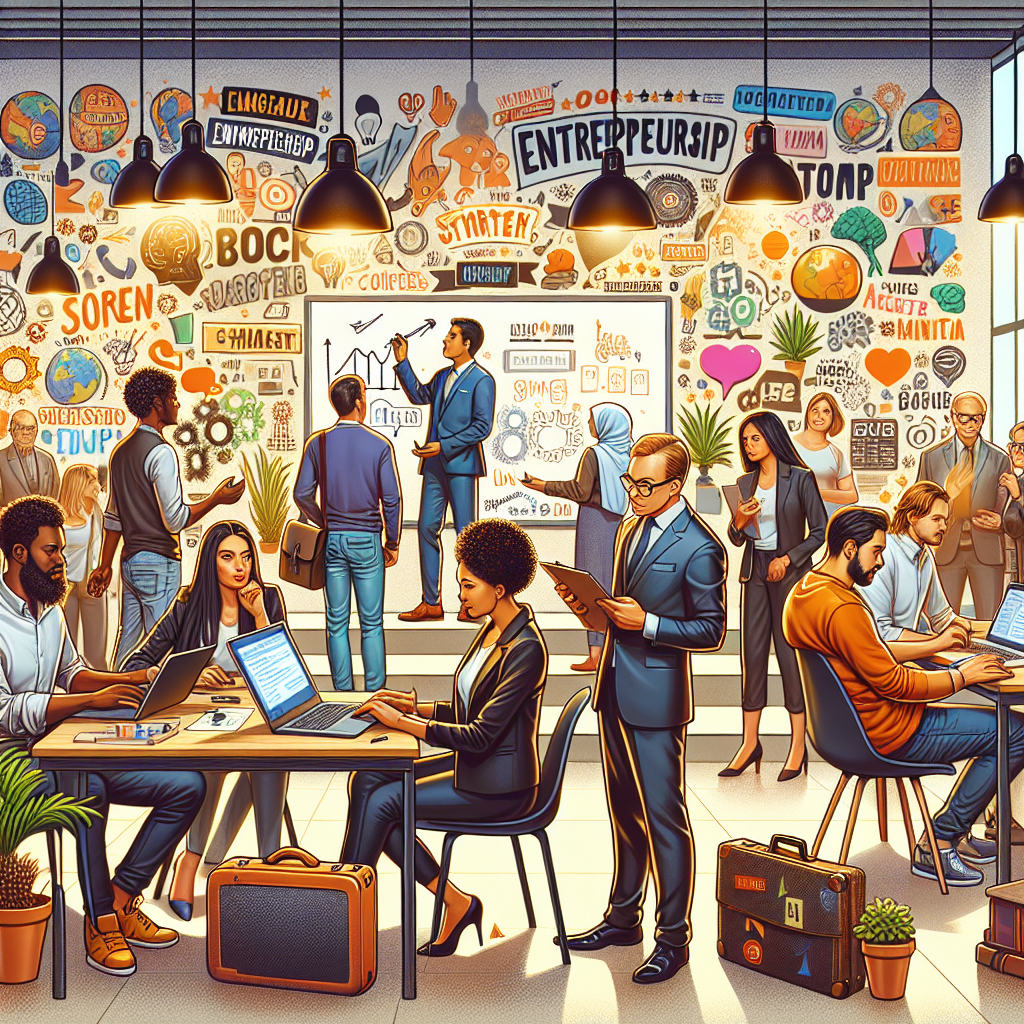
Entrepreneurship & Startups: Fueling Innovation and Economic Growth
In today’s dynamic global economy, entrepreneurship and startups have emerged as dominant forces shaping industries, creating jobs, and driving innovation. From Silicon Valley’s tech giants to small local businesses disrupting traditional markets, the entrepreneurial spirit has never been more vital. This article delves into the core of entrepreneurship, the lifecycle of startups, challenges faced by entrepreneurs, and how startup ecosystems around the world are evolving to support the next generation of business leaders.
Understanding Entrepreneurship
At its core, entrepreneurship is the process of identifying a problem or need and developing a solution that creates value. Entrepreneurs are individuals who take on the risk of starting new ventures, often bringing innovative products, services, or processes to market. While the perception of entrepreneurship often revolves around technology startups, it spans various industries—healthcare, education, transportation, and more.
Entrepreneurs are not just business owners; they are visionaries, risk-takers, and problem solvers. They challenge the status quo, find opportunities where others see obstacles, and are driven by the pursuit of change and impact.
The Startup Lifecycle
Startups are businesses in the early stages of development, typically characterized by high uncertainty and rapid iteration. While every startup is unique, most follow a general lifecycle:
-
Ideation and Validation:
This is the conceptual phase, where entrepreneurs brainstorm ideas, identify market needs, and validate their concepts through market research, surveys, and prototypes. The goal is to ensure that the problem being solved is real and that the proposed solution has potential. -
Formation:
Once the idea is validated, the entrepreneur forms a legal entity, develops a founding team, and begins building a minimum viable product (MVP). This phase often involves early-stage funding from personal savings, friends, family, or angel investors. -
Product Development and Market Entry:
Startups refine their product and launch it to an initial user base. Feedback is critical here, as it guides further development. The focus is on achieving product-market fit—where the product satisfies a strong market demand. -
Growth and Scaling:
After achieving product-market fit, the startup scales operations, expands its customer base, and often seeks larger investments from venture capital firms. Marketing, sales, operations, and human resources become more structured. -
Maturity or Exit:
At this stage, startups either become stable, self-sustaining businesses, get acquired by larger firms, or go public through an IPO. Some may also pivot or dissolve if they fail to maintain growth.
Why Startups Matter
Startups play a critical role in economic development for several reasons:
- Innovation: Startups often introduce disruptive technologies and business models that redefine industries.
- Job Creation: They are significant sources of employment, especially in their growth phases.
- Competition: Startups keep established companies on their toes, encouraging innovation and better customer service.
- Investment Opportunities: They attract investments that fuel further economic activity.
According to the Kauffman Foundation, nearly all net new job creation in the U.S. over the past few decades has come from startups and young companies, not established firms.
Challenges Faced by Entrepreneurs
Despite their potential, startups face numerous challenges:
-
Funding:
Securing adequate funding is one of the biggest hurdles. Many startups fail due to lack of capital or poor financial management. -
Market Uncertainty:
Understanding customer needs, market dynamics, and competition can be complex and unpredictable. -
Team Building:
Attracting and retaining talent is crucial, especially in early stages when resources are limited. -
Legal and Regulatory Hurdles:
Navigating business laws, tax regulations, and compliance requirements adds complexity. -
Burnout:
Entrepreneurship can be mentally and physically exhausting. Founders often face high stress and long hours.
The Role of Startup Ecosystems
A startup ecosystem comprises the network of individuals, organizations, and resources that interact to foster entrepreneurship in a region. These ecosystems include:
- Entrepreneurs and Startups
- Investors (angel investors, venture capitalists)
- Incubators and Accelerators
- Universities and Research Institutions
- Government and Policy Makers
- Corporations and Service Providers
Successful ecosystems like Silicon Valley, Tel Aviv, and Bangalore thrive due to the synergy among these players. Governments and private sectors can stimulate ecosystems by offering tax incentives, funding opportunities, infrastructure, and policies that encourage innovation.
Trends Shaping the Future of Startups
-
Remote Work and Global Teams:
The pandemic accelerated remote work adoption, enabling startups to build distributed teams and tap into global talent. -
Tech-Driven Innovation:
Startups are leveraging technologies like AI, blockchain, IoT, and biotechnology to solve complex problems and create new markets. -
Focus on Sustainability:
Eco-conscious entrepreneurship is rising. Startups are building business models that prioritize environmental and social impact. -
Rise of Micro-Entrepreneurship:
Platforms like Etsy, Shopify, and Substack empower individuals to start solo ventures with minimal capital investment. -
Diversity and Inclusion:
There is a growing emphasis on supporting underrepresented founders through funding, mentorship, and community support.
Global Entrepreneurship: A Comparative Glimpse
Different regions bring unique strengths to the startup landscape:
-
North America:
Home to major tech hubs like Silicon Valley, New York, and Toronto. Rich in capital, talent, and innovation culture. -
Europe:
Cities like Berlin, London, and Stockholm are known for fintech, healthtech, and sustainability startups. -
Asia:
China, India, and Southeast Asia show exponential growth in mobile-first startups, e-commerce, and fintech. -
Africa:
Entrepreneurship is booming in sectors like mobile payments, agritech, and healthtech, addressing critical regional needs. -
Latin America:
Startups in Brazil, Mexico, and Argentina are attracting global attention, especially in fintech and logistics.
Advice for Aspiring Entrepreneurs
-
Start with Why:
Understand your purpose. Passion and clarity fuel resilience in tough times. -
Validate Before You Build:
Test your idea with real users before investing heavily. Focus on solving actual problems. -
Build the Right Team:
Surround yourself with people who complement your skills, share your vision, and can grow with the company. -
Embrace Failure:
Every failure is a learning opportunity. Iterate quickly, adapt, and keep moving forward. -
Network Relentlessly:
Attend events, join communities, and seek mentorship. Relationships open doors to resources and partnerships.
Conclusion
Entrepreneurship and startups are more than just buzzwords—they are engines of progress, creativity, and economic resilience. While the journey is fraught with challenges, the rewards—both personal and societal—are immense. As the world becomes more interconnected and technology continues to lower barriers to entry, the future is bright for those who dare to dream, build, and lead.
Whether you're a budding entrepreneur, a seasoned founder, or simply curious about the startup world, now is the time to engage. Learn, innovate, and contribute to the vibrant tapestry of global entrepreneurship.