
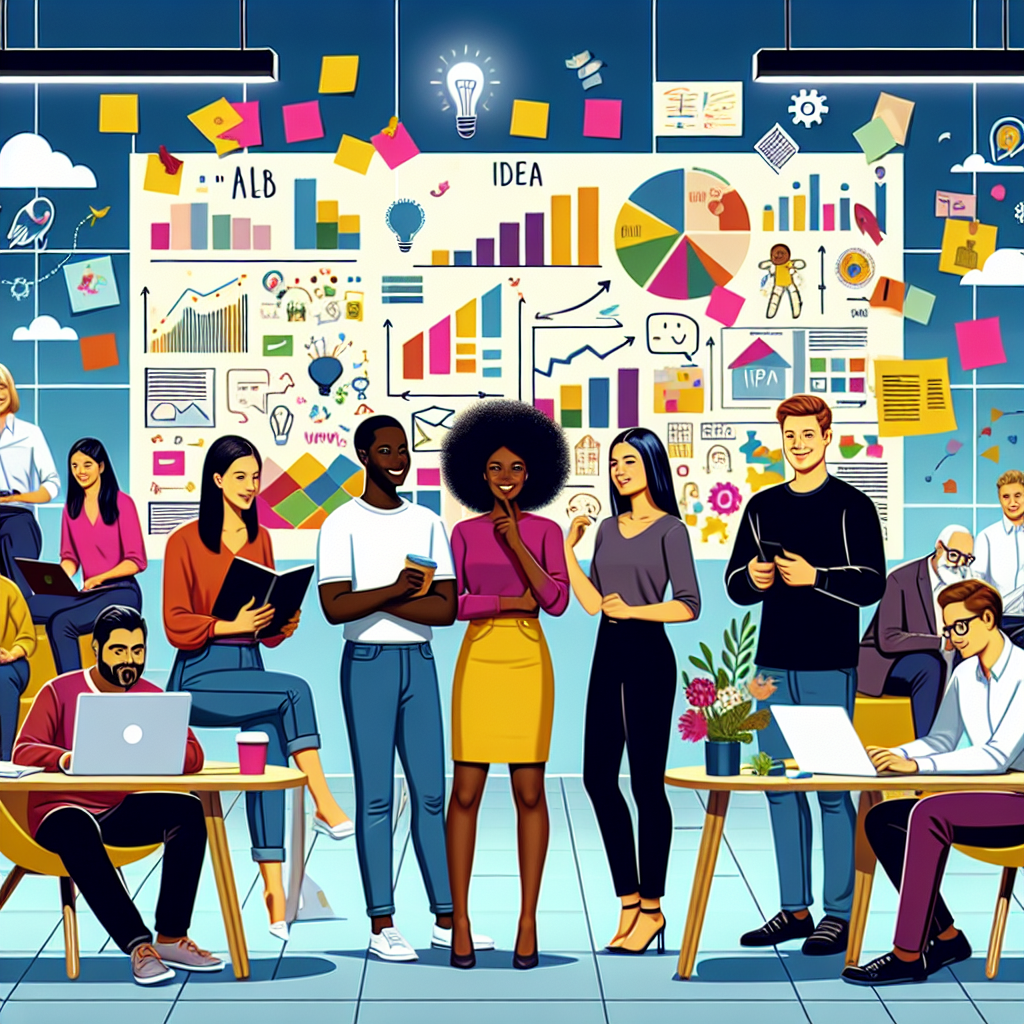
In recent decades, the world has witnessed a dramatic rise in entrepreneurship and the proliferation of startups. This global shift is not just about people starting businesses—it's about a cultural transformation that champions innovation, risk-taking, and disruption of traditional industries. From Silicon Valley to Nairobi, entrepreneurs are launching startups that challenge the status quo, solve real-world problems, and create new markets. In this in-depth article, we’ll explore what’s driving this trend, the characteristics of successful entrepreneurs, the startup lifecycle, funding mechanisms, and the challenges that come with building a startup from the ground up.
The Evolution of Entrepreneurship
Entrepreneurship has long been a part of human civilization. From early traders and craftsmen to industrial revolutionaries, the spirit of enterprise has driven economic and social progress. However, the modern concept of entrepreneurship has evolved significantly, particularly since the late 20th century. With the advent of the internet, mobile technologies, and globalization, barriers to entry have been lowered, enabling more people than ever to start businesses with relatively small capital.
The startup ecosystem has become an essential part of this evolution. Unlike traditional businesses, startups emphasize rapid growth, scalability, and innovative solutions. They’re often built around a unique idea or technology and aim to disrupt existing markets or create entirely new ones.
What Defines a Startup?
A startup is typically defined as a company in the early stages of operations, often characterized by high uncertainty and risk. Startups are usually:
- Founded by entrepreneurs with a vision to solve a specific problem.
- Focused on innovation, either through technology, process, or business model.
- Designed to scale quickly and capture a large market share.
- Funded through external investment, such as venture capital or angel investors.
Startups are not just small businesses. While both may be young and relatively small in size, startups are designed for scalability and exponential growth, whereas small businesses are often content with steady, linear progress.
The Mindset of an Entrepreneur
Successful entrepreneurs share a set of traits and mindsets that enable them to navigate the uncertainties of building a new venture. These include:
- Resilience: The ability to recover from failures and setbacks.
- Vision: A clear understanding of the problem they want to solve and how their startup fits into the broader market.
- Adaptability: Willingness to pivot when circumstances change or feedback demands adjustments.
- Risk-taking: Comfort with uncertainty and a willingness to take calculated risks.
- Execution: The ability to translate ideas into action and make things happen.
Many entrepreneurs are also driven by a strong sense of purpose or mission, aiming to make a meaningful impact on the world beyond just generating profit.
The Startup Lifecycle
The journey of a startup typically follows several stages:
1. Ideation
This is the stage where the founder identifies a problem worth solving. It involves brainstorming, market research, and validating the idea through feedback from potential users.
2. Validation
Once an idea has taken shape, entrepreneurs build a Minimum Viable Product (MVP)—a simplified version of the product that solves a core problem. The MVP is used to test assumptions and gather user feedback.
3. Funding
Most startups require external capital to grow. Founders may seek funding from:
- Bootstrapping: Using personal savings or revenue.
- Angel Investors: High-net-worth individuals who invest early.
- Venture Capitalists: Firms that provide funding in exchange for equity.
- Crowdfunding: Raising small amounts of money from a large number of people.
4. Growth
With a validated product and funding, the startup focuses on acquiring users, improving the product, and scaling operations. Marketing, user acquisition strategies, and hiring become crucial at this stage.
5. Maturity or Exit
Startups either become sustainable businesses or pursue an exit strategy, such as:
- Acquisition: Being bought by a larger company.
- IPO (Initial Public Offering): Going public to raise capital and provide liquidity to investors.
- Failure: Many startups shut down due to lack of product-market fit, funding issues, or operational challenges.
Funding the Dream: Startup Investment Landscape
Startup financing has become a major industry in its own right. Venture capital (VC) firms play a pivotal role in funding high-potential startups. The global VC market has seen exponential growth in recent years, fueled by the success stories of companies like Uber, Airbnb, and Stripe.
The funding process is typically broken down into several rounds:
- Seed Stage: Early funding to develop the MVP and validate the idea.
- Series A: Capital to optimize the product and scale operations.
- Series B and beyond: Funding to expand markets, hire talent, and grow aggressively.
Each round involves giving up equity in exchange for capital, making it crucial for founders to understand valuation, dilution, and investor expectations.
Global Startup Hubs
While Silicon Valley remains the world's most famous startup hub, other cities and regions have emerged as vibrant centers of entrepreneurship:
- Bangalore, India: Known as the “Silicon Valley of India,” it has a booming tech startup scene.
- Tel Aviv, Israel: Renowned for its cybersecurity and AI startups.
- Berlin, Germany: A hub for creative startups and fintech.
- Nairobi, Kenya: A leader in mobile innovation and social enterprise in Africa.
- São Paulo, Brazil: A growing ecosystem in Latin America.
These hubs benefit from local talent, government support, investor networks, and a culture that supports innovation.
Challenges Faced by Startups
Despite the glamour associated with startup success stories, the path is riddled with challenges:
- Funding Constraints: Not all startups can secure the capital they need.
- Talent Acquisition: Competing with larger firms for skilled employees.
- Market Fit: Developing a product that truly meets user needs.
- Burnout: Long hours and high stakes can take a toll on mental health.
- Regulatory Hurdles: Navigating complex legal and compliance frameworks.
According to various studies, up to 90% of startups fail. However, each failure often contributes to the ecosystem by providing lessons and recycled talent.
The Impact of Startups on Society
Startups are more than economic engines—they are catalysts for societal change. Innovations born in startups have revolutionized industries:
- Fintech has democratized access to banking.
- Healthtech startups are making healthcare more accessible.
- Edtech platforms are transforming education.
- Green tech companies are tackling climate change.
Moreover, startups often promote diversity, remote work, and flat organizational structures, challenging traditional corporate norms.
The Role of Technology
Technology is the backbone of the modern startup revolution. Cloud computing, mobile devices, AI, and blockchain have enabled startups to build, test, and scale solutions at unprecedented speeds. Open-source software and low-code platforms have further leveled the playing field, allowing even non-technical founders to bring ideas to life.
Social media and digital marketing have also transformed how startups reach customers. With a compelling story and smart targeting, even a small team can build a global brand.
Government and Institutional Support
Recognizing the economic and social value of startups, many governments have launched initiatives to support entrepreneurship:
- Startup visas for attracting foreign founders.
- Incubators and accelerators that provide mentorship and resources.
- Grants and tax incentives to ease financial burdens.
- University partnerships to commercialize research.
Such support can significantly increase a startup’s chances of success and help build sustainable innovation ecosystems.
The Future of Entrepreneurship
As we look ahead, the future of entrepreneurship is likely to be shaped by several trends:
- Remote and distributed teams: Enabled by digital tools, startups can now tap into global talent.
- Sustainable entrepreneurship: Founders are increasingly focused on creating triple-bottom-line businesses (people, planet, profit).
- AI and automation: New tools will further reduce barriers to entry and speed up product development.
- Inclusive innovation: More diverse founders and underserved regions will play a key role in the next wave of startups.
Conclusion
Entrepreneurship and startups are more than business ventures—they are movements that inspire change, drive innovation, and shape the future. While the journey is fraught with uncertainty, the potential rewards—for founders, investors, consumers, and society at large—are immense. As technology continues to evolve and global connectivity increases, we can expect the startup ecosystem to grow even more dynamic, inclusive, and impactful.
Whether you're an aspiring entrepreneur, an investor, or simply a curious observer, the world of startups offers a fascinating glimpse into the future of work, economy, and human ingenuity.