
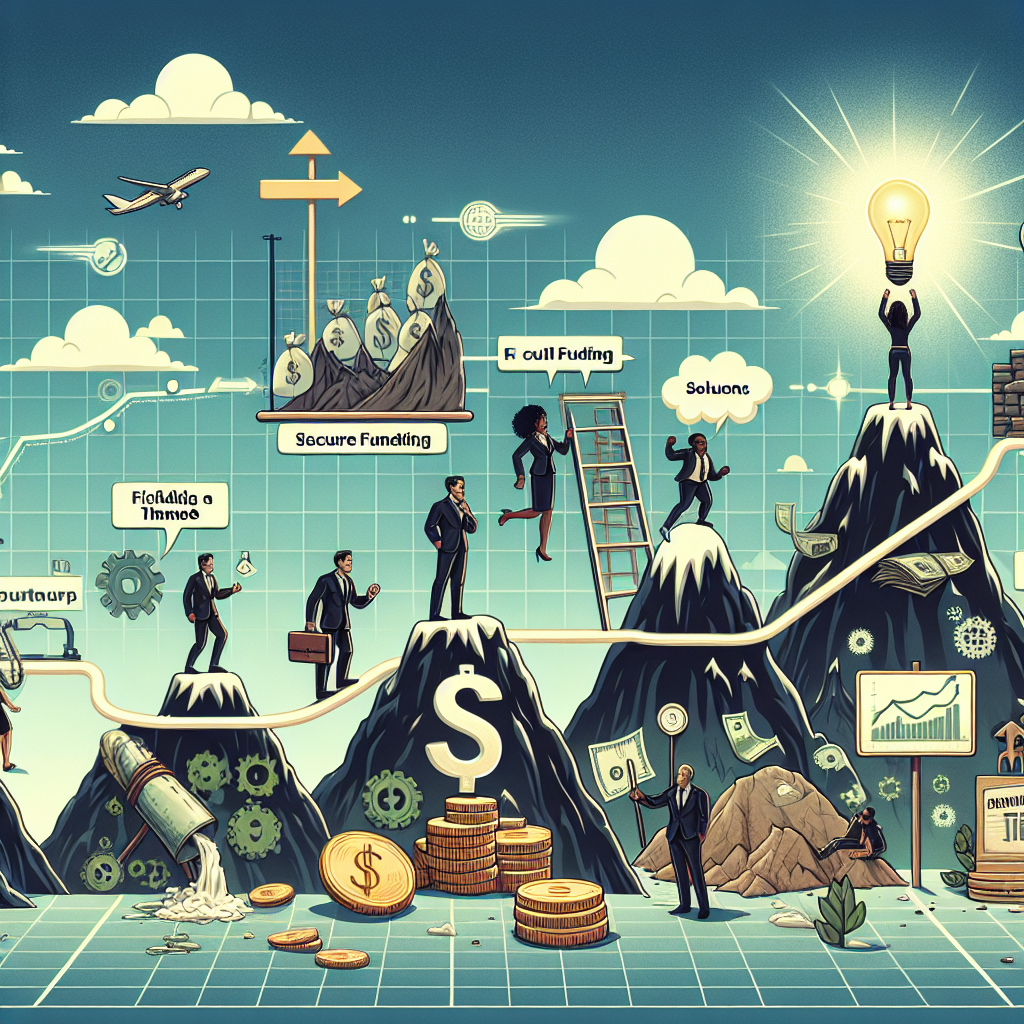
Entrepreneurship & Startups: A Modern Guide to Innovation and Growth
In today's fast-paced, technology-driven world, entrepreneurship and startups have become powerful forces shaping economies, industries, and societies. From Silicon Valley to emerging markets, entrepreneurs are redefining the rules of business, disrupting traditional models, and creating products and services that impact millions. But what does it take to launch a successful startup? What challenges do entrepreneurs face, and how can they overcome them? This article explores the dynamic world of entrepreneurship and startups, offering insights, strategies, and inspiration for aspiring founders.
- Understanding Entrepreneurship
Entrepreneurship is the process of designing, launching, and running a new business, often starting as a small enterprise with the intention of growing it into a large, sustainable company. Entrepreneurs are risk-takers, innovators, and problem-solvers who identify market gaps and create solutions. They are driven by passion, vision, and the desire to make an impact.
Successful entrepreneurs possess a unique blend of skills, including creativity, resilience, adaptability, and leadership. They are able to navigate uncertainty, build strong teams, and continuously learn from their experiences.
- Why Startups Matter
Startups are more than just small businesses. They represent a mindset of experimentation, scalability, and rapid growth. Unlike traditional businesses that aim for steady, incremental progress, startups are designed to grow fast and disrupt existing markets.
Startups play a vital role in economic development by:
- Creating jobs and reducing unemployment
- Driving innovation and technological advancement
- Introducing competition that improves products and services
- Attracting investment and fostering global collaboration
Some of the world’s most influential companies—Google, Amazon, Airbnb, and Tesla—began as startups. Their journeys highlight the transformative power of entrepreneurship.
- The Startup Lifecycle
The journey from idea to successful startup is complex and nonlinear. However, most startups go through a series of stages:
a. Ideation
This is the birth of the startup, where a founder identifies a problem and envisions a solution. Market research, competitor analysis, and customer validation are critical at this stage. A strong value proposition is essential.
b. Validation
Founders test their ideas through MVPs (Minimum Viable Products), gather user feedback, and iterate rapidly. This phase determines whether the product meets a real need.
c. Formation
The business structure is established, co-founders are recruited, legal requirements are addressed, and funding options are explored. The startup begins to take formal shape.
d. Growth
As the product gains traction, the focus shifts to scaling operations, acquiring customers, and refining the business model. Startups may seek seed funding or Series A investment.
e. Maturity or Exit
Startups that survive the growth phase may become mature companies, go public (IPO), or be acquired by larger firms. Others may pivot or wind down if goals are not met.
- Key Elements of a Successful Startup
While there is no guaranteed formula for success, several factors significantly increase a startup's chances of thriving:
a. Strong Founding Team
A diverse, committed, and capable team is the foundation of any startup. Founders should complement each other’s strengths and share a common vision.
b. Product-Market Fit
This means the product or service satisfies a strong market demand. Achieving product-market fit is crucial before scaling up.
c. Agile Development
Startups need to be flexible and willing to pivot based on feedback and market changes. Agile methodologies promote rapid iteration and continuous improvement.
d. Effective Marketing and Sales
Reaching customers and convincing them to buy is essential. Startups must leverage digital marketing, social media, SEO, and growth hacking strategies.
e. Scalable Business Model
A startup needs a business model that can support rapid growth without proportionally increasing costs. Recurring revenue, low customer acquisition cost, and high lifetime value are key metrics.
f. Access to Capital
Funding is often necessary to develop products, hire teams, and scale operations. Startups can raise money through bootstrapping, angel investors, venture capital, crowdfunding, or accelerators.
- Challenges Faced by Entrepreneurs
Building a startup is not for the faint of heart. Entrepreneurs face numerous challenges:
- Uncertainty and risk: Most startups fail, often due to lack of market need, poor execution, or financial problems.
- Time and stress: Founders work long hours and face intense pressure, which can lead to burnout.
- Competition: The startup ecosystem is highly competitive, and standing out requires constant innovation.
- Talent acquisition: Attracting and retaining skilled employees is difficult, especially in the early stages.
- Legal and regulatory hurdles: Navigating contracts, compliance, and intellectual property can be complex.
- The Role of Technology
Technology is central to modern entrepreneurship. Digital tools lower the barriers to entry and empower startups to compete with larger firms. Key technologies transforming the startup landscape include:
- Cloud computing: Enables cost-effective IT infrastructure and scalability.
- Artificial Intelligence (AI): Powers automation, personalization, and smarter decision-making.
- Blockchain: Offers new models for trust, security, and decentralization.
- Internet of Things (IoT): Connects devices and enables smarter products and services.
- E-commerce platforms: Allow startups to reach global audiences with minimal overhead.
- Startup Ecosystems and Support Networks
Thriving startups rarely succeed in isolation. They benefit from robust ecosystems that include:
- Incubators and accelerators: Provide mentorship, resources, and funding.
- Co-working spaces: Foster collaboration and reduce costs.
- Universities and research institutions: Generate talent and innovation.
- Government programs: Offer grants, tax incentives, and policy support.
- Investors: Angel investors and VCs provide capital and guidance.
Cities like San Francisco, Berlin, Tel Aviv, and Bangalore have become startup hubs due to their strong ecosystems.
- Global Trends in Entrepreneurship
The entrepreneurial landscape is evolving rapidly. Key trends include:
a. Remote and Digital-First Startups
The COVID-19 pandemic accelerated remote work and digital transformation. Startups are increasingly digital-first, with distributed teams and cloud-based operations.
b. Social Entrepreneurship
More entrepreneurs are building mission-driven startups that prioritize social and environmental impact alongside profit.
c. Diversity and Inclusion
There is growing recognition of the value of diverse teams. Initiatives are being launched to support underrepresented founders, including women and minorities.
d. Sustainable Innovation
Startups are addressing global challenges such as climate change, clean energy, and circular economies.
e. Cross-border Collaboration
Globalization and digital connectivity enable startups to collaborate across borders, access talent worldwide, and enter international markets early.
- Lessons from Successful Entrepreneurs
Studying the journeys of successful entrepreneurs provides valuable lessons. Here are a few takeaways:
- Embrace failure as a learning opportunity. Many successful founders failed multiple times before succeeding.
- Start small, but think big. Validate your idea on a small scale, but keep your long-term vision expansive.
- Focus on users. Solve real problems and provide tangible value to your customers.
- Build a strong culture. Company values, mission, and culture define how a team works and grows.
- Network relentlessly. Relationships open doors to opportunities, partnerships, and funding.
- Getting Started on Your Entrepreneurial Journey
If you’re inspired to start your own venture, here are some steps to take:
- Identify a problem you’re passionate about solving.
- Conduct thorough market research.
- Build an MVP and test it with real users.
- Assemble a team with complementary skills.
- Seek mentorship and connect with the startup community.
- Explore funding options based on your needs and goals.
- Stay flexible, open to feedback, and ready to iterate.
Conclusion
Entrepreneurship and startups are engines of innovation, growth, and societal change. While the path is challenging and uncertain, it is also filled with opportunities for those who are willing to take risks, learn continuously, and remain resilient. Whether you're an aspiring founder, an investor, or simply someone fascinated by innovation, understanding the world of startups can offer valuable insights and inspiration. The future belongs to those who dare to dream big—and take action.
So, are you ready to start your entrepreneurial journey?