
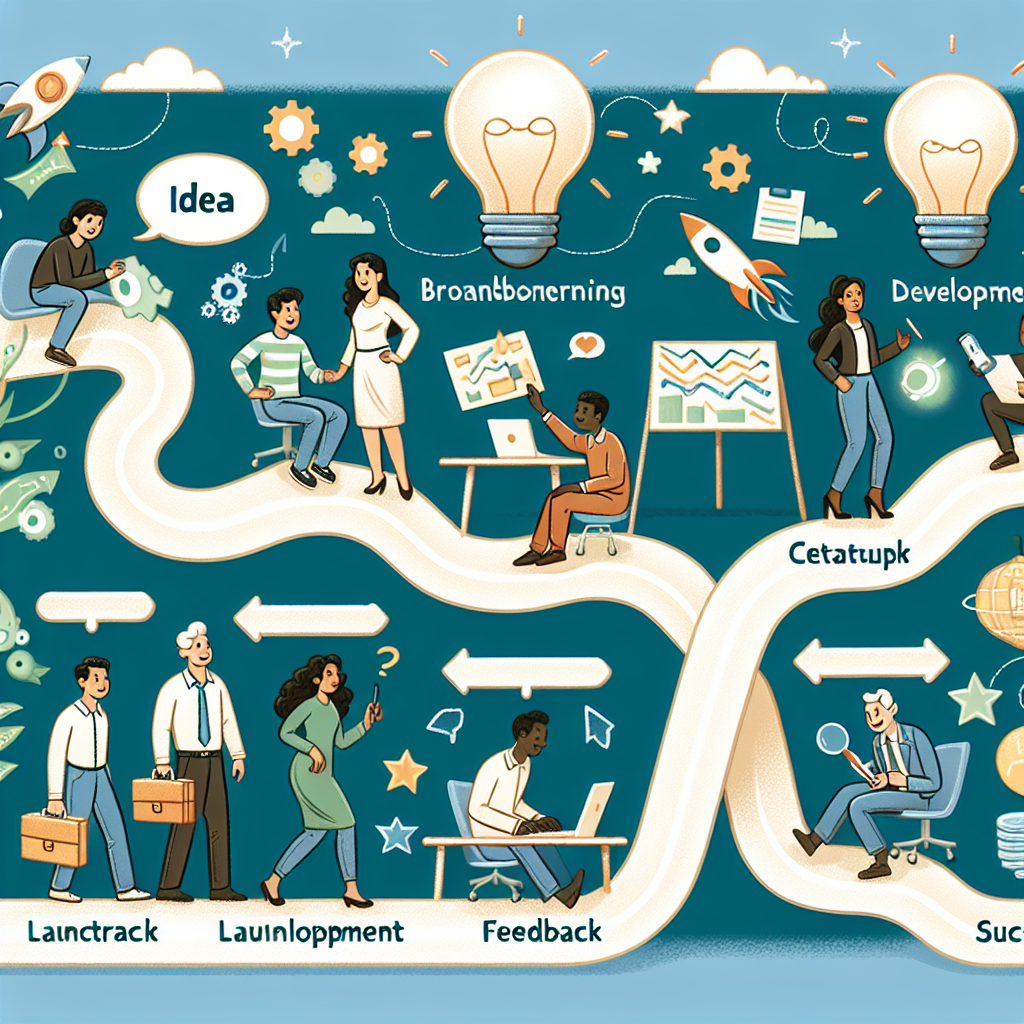
In today’s fast-paced world, entrepreneurship and startups have become powerful drivers of innovation, economic growth, and societal change. From Silicon Valley tech giants to local small businesses, the entrepreneurial spirit fuels progress and opens doors to new opportunities. This article delves deep into the journey of entrepreneurship and startups—exploring the mindset, stages, challenges, and keys to success for aspiring entrepreneurs.
Understanding Entrepreneurship
Entrepreneurship is more than just starting a business. It is the process of identifying a problem or opportunity, creating a solution, and delivering value to a target market. Entrepreneurs are risk-takers, visionaries, and problem-solvers who strive to bring their ideas to life while navigating uncertainty.
Characteristics of Successful Entrepreneurs
While entrepreneurs come from all walks of life, successful ones often share common traits:
- Passion: They are deeply passionate about their idea or mission.
- Resilience: They can withstand setbacks and learn from failure.
- Risk Tolerance: They are willing to take calculated risks.
- Adaptability: They can pivot and respond to changing conditions.
- Vision: They have a clear long-term goal and strategy.
- Leadership: They can inspire, manage, and lead teams effectively.
The Startup Lifecycle
Launching a startup involves several distinct stages, each with its own set of challenges and goals:
1. Ideation
This is the genesis of the startup. Entrepreneurs identify a problem, brainstorm solutions, and begin validating their ideas. The key here is to ensure that the idea addresses a real market need. Tools like surveys, interviews, and minimum viable products (MVPs) help test assumptions early on.
Tips for Ideation:
- Focus on problems you are passionate about.
- Talk to potential users to understand their pain points.
- Research competitors and market gaps.
2. Validation
Before investing significant resources, it’s essential to validate the business model. This involves building an MVP to test the core functionality of the product or service. Feedback from early adopters is crucial during this phase.
Key Questions to Ask:
- Is there a demand for your solution?
- Are users willing to pay for it?
- What features do users value most?
3. Formation
Once the idea is validated, entrepreneurs move on to building the business infrastructure. This includes structuring the company, forming a team, establishing legal and financial systems, and developing a go-to-market strategy.
Considerations:
- Choose the right business structure (LLC, Corporation, etc.).
- Build a founding team with complementary skills.
- Register for licenses and open a business bank account.
4. Product Development
At this stage, the startup focuses on building the full product or service based on feedback from the MVP. User experience, scalability, and performance become top priorities.
Best Practices:
- Use agile development methodologies.
- Prioritize features based on user feedback.
- Maintain a balance between speed and quality.
5. Launch
With a functional product and initial user base, it’s time to officially launch. This involves marketing campaigns, public relations, and outreach to attract more users, customers, or investors.
Launch Tips:
- Create a buzz using social media and influencer marketing.
- Offer promotions or incentives for early adopters.
- Monitor analytics to track user behavior and feedback.
6. Growth and Scaling
Post-launch, the focus shifts to acquiring users, increasing revenue, and improving operations. Scaling requires strong leadership, operational efficiency, and often, external funding.
Growth Strategies:
- Invest in digital marketing and SEO.
- Expand into new markets or customer segments.
- Secure venture capital or angel investments.
7. Maturity or Exit
Eventually, startups reach maturity. This could mean sustained profitability, acquisition by a larger firm, or going public through an IPO. Some founders may choose to exit and start a new venture.
Exit Options:
- Acquisition by a strategic partner.
- Merger with another company.
- Initial Public Offering (IPO).
Common Challenges Faced by Startups
Building a startup is not without hurdles. Entrepreneurs commonly face:
- Funding Constraints: Many struggle to secure enough capital.
- Market Uncertainty: Consumer preferences and market conditions change rapidly.
- Team Dynamics: Conflicts among co-founders or employees can derail progress.
- Customer Acquisition: Gaining traction in a competitive landscape is tough.
- Burnout: Long hours and pressure can lead to mental and physical fatigue.
Funding Options for Startups
Securing funding is often critical for startup survival and growth. Here are some common sources:
- Bootstrapping: Using personal savings or revenue.
- Friends and Family: Early support from close networks.
- Angel Investors: Individuals who invest in early-stage startups.
- Venture Capital: Firms that provide funding for equity.
- Crowdfunding: Raising small amounts from many people online.
- Accelerators/Incubators: Programs that offer funding, mentorship, and resources.
The Role of Technology in Startups
Technology has democratized entrepreneurship. Cloud computing, e-commerce platforms, digital marketing, and remote work tools have lowered the barriers to entry. Entrepreneurs can now launch global businesses from their laptops.
Key technologies driving startups:
- Artificial Intelligence and Machine Learning
- Blockchain and Cryptocurrency
- Internet of Things (IoT)
- SaaS (Software as a Service)
- Mobile Applications
Building a Strong Startup Culture
Culture plays a pivotal role in startup success. A positive, mission-driven culture attracts talent, boosts morale, and fosters innovation.
Tips for Building Culture:
- Define your values early and communicate them clearly.
- Hire people who align with your mission.
- Encourage transparency and open communication.
- Celebrate wins and learn from failures.
Legal and Compliance Considerations
Startups must navigate legal and regulatory landscapes to avoid pitfalls:
- Intellectual Property: Protect trademarks, patents, and copyrights.
- Contracts: Use clear agreements with customers, partners, and employees.
- Compliance: Understand tax laws, labor laws, and industry regulations.
The Global Startup Ecosystem
Entrepreneurship is a global phenomenon. Cities like San Francisco, Berlin, Tel Aviv, and Bangalore have become hubs for innovation. Governments and organizations worldwide are investing in startup ecosystems through grants, incubators, and policy reforms.
According to the Global Startup Ecosystem Report (GSER), startups contribute significantly to job creation and GDP in many countries. The rise of remote work and digital tools is also enabling more cross-border collaboration.
Learning and Resources for Entrepreneurs
Continuous learning is critical for entrepreneurial success. Fortunately, there are countless resources available:
- Books: "The Lean Startup" by Eric Ries, "Zero to One" by Peter Thiel
- Podcasts: How I Built This, Masters of Scale
- Online Courses: Coursera, Udemy, Y Combinator’s Startup School
- Mentorship: Seek advisors who have startup experience
Final Thoughts
Entrepreneurship and startups represent the frontier of economic and social progress. While the journey is fraught with challenges, it is also immensely rewarding. Entrepreneurs who embrace learning, resilience, and innovation can transform industries and change lives.
Whether you’re dreaming of building the next tech unicorn or launching a small local venture, remember that every great company started with a single idea and the courage to pursue it. The world needs more dreamers, doers, and disruptors—and that could be you.