
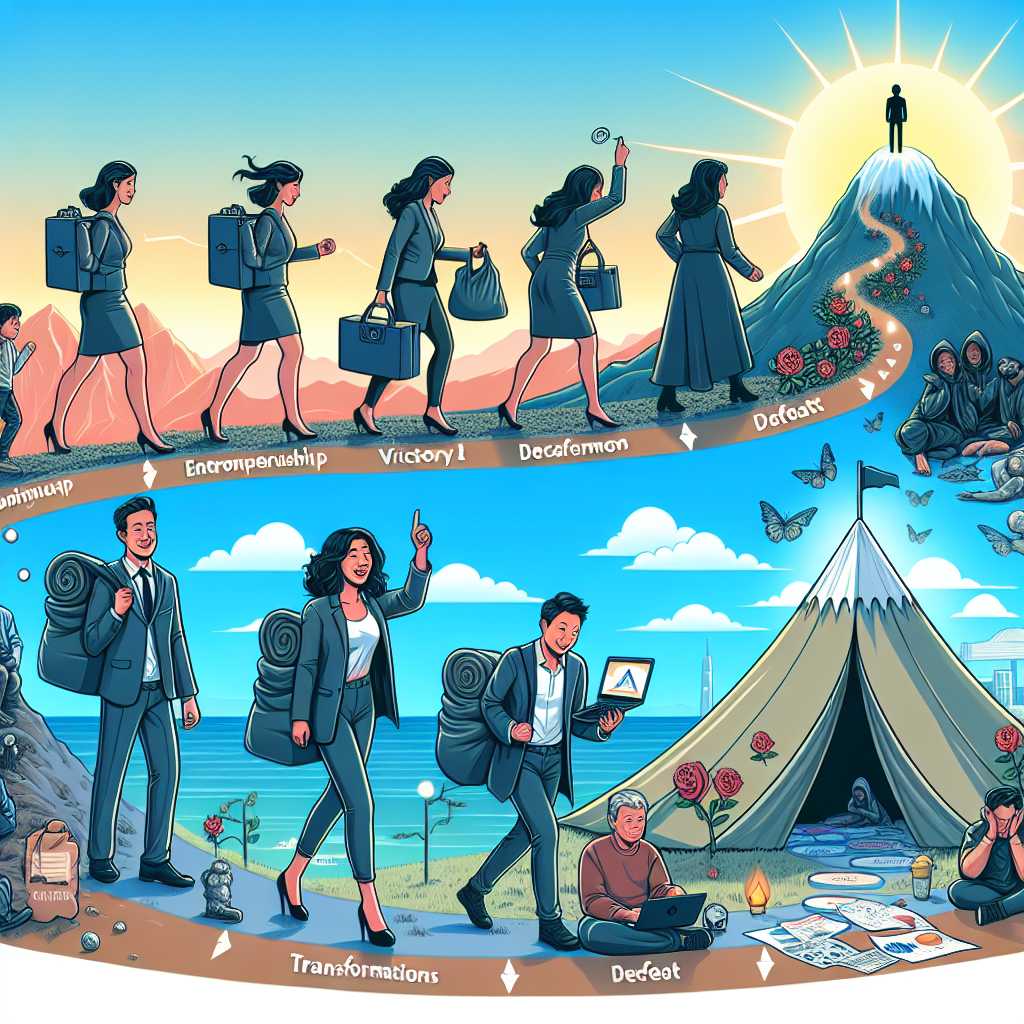
Entrepreneurship & Startups: The Path to Innovation and Independence
Introduction
Entrepreneurship has always been a driving force behind innovation, economic growth, and societal evolution. Startups, the modern manifestation of entrepreneurial dreams, have transformed industries, created new markets, and empowered individuals to take control of their professional destinies. While the path of entrepreneurship is often glamorized, it is a journey filled with uncertainties, challenges, and learning opportunities.
In this article, we will explore the multidimensional world of entrepreneurship and startups — from the initial spark of an idea to scaling a business, navigating risks, building teams, and making a lasting impact. Whether you're an aspiring entrepreneur or simply curious about the startup ecosystem, this comprehensive guide will provide valuable insights into what it takes to succeed in the ever-changing world of startups.
- Understanding Entrepreneurship
Entrepreneurship is the act of identifying a problem or opportunity and creating a solution that adds value through innovation and business acumen. Entrepreneurs are individuals who take the initiative to launch new ventures, often at personal and financial risk, with the goal of making a profit and/or creating a positive impact.
Key Characteristics of Entrepreneurs:
- Visionary Thinking: Entrepreneurs often see opportunities where others see obstacles.
- Risk Tolerance: The willingness to take calculated risks is essential.
- Resilience: Setbacks are part of the journey, and resilience drives persistence.
- Adaptability: The ability to pivot and respond to market changes is crucial.
- Leadership: Entrepreneurs must inspire, lead, and manage diverse teams.
Types of Entrepreneurship:
- Small Business Entrepreneurship: Local businesses such as retail shops, restaurants, and services.
- Scalable Startups: High-growth ventures designed to scale rapidly with innovative products or services.
- Social Entrepreneurship: Ventures aimed at solving social or environmental problems.
- Corporate Entrepreneurship (Intrapreneurship): Innovation within large organizations.
- The Startup Lifecycle
The startup journey can be broken down into several stages, each with its own set of challenges and milestones.
Ideation:
This is the genesis of a startup. It involves identifying a problem, brainstorming solutions, and evaluating the feasibility of an idea. Tools like design thinking, SWOT analysis, and customer interviews are valuable at this stage.
Validation:
Before investing significant time and resources, entrepreneurs must validate their idea. This includes:
- Building a minimum viable product (MVP)
- Conducting market research
- Gathering feedback from early users
- Testing demand and pricing models
Formation:
Once the idea is validated, it’s time to form the company. This includes:
- Choosing a legal structure (LLC, C-Corp, etc.)
- Registering the business
- Opening bank accounts
- Assembling a founding team
Funding:
Startups require capital to grow. Funding options include:
- Bootstrapping: Using personal savings or revenue to fund operations
- Friends & Family: Early informal investment
- Angel Investors: High-net-worth individuals who provide early-stage funding
- Venture Capital: Professional investors who fund scalable startups in exchange for equity
- Crowdfunding: Raising small amounts from a large number of people via platforms like Kickstarter
Product Development:
Building and refining the product or service based on user feedback. Agile development and iterative design are crucial here.
Go-to-Market Strategy:
Launching the product requires a strong marketing and sales strategy. Key steps include:
- Identifying target customers
- Crafting a value proposition
- Choosing marketing channels (digital ads, content, partnerships)
- Measuring customer acquisition cost (CAC) and lifetime value (LTV)
Growth & Scaling:
Once product-market fit is achieved, the focus shifts to growth. This involves:
- Hiring and team expansion
- Optimizing operations
- Expanding to new markets
- Securing additional funding (Series A, B, etc.)
Maturity or Exit:
Established startups may pursue:
- Acquisition by a larger company
- Initial Public Offering (IPO)
- Continued growth as a private company
- Challenges Faced by Entrepreneurs
While entrepreneurship can be rewarding, it is not without significant hurdles:
Uncertainty and Risk:
Startups face a high failure rate. Market dynamics, competition, and unforeseen challenges can derail even the best ideas.
Funding Constraints:
Raising capital is competitive and time-consuming. Many entrepreneurs struggle to secure sufficient funding.
Time Management:
Founders often wear multiple hats and face burnout. Prioritizing tasks and managing time effectively is critical.
Talent Acquisition:
Attracting and retaining top talent is difficult, especially with limited resources.
Legal and Regulatory Issues:
Startups must navigate complex legal landscapes, including intellectual property, employment laws, and industry regulations.
Market Fit:
Finding the right product-market fit can take time and iteration. Misalignment can lead to wasted resources.
- Strategies for Success
Despite the challenges, many entrepreneurs find success by following certain best practices:
Start with Customer Needs:
A successful startup solves a real problem. Engage with potential users early and often to understand their pain points.
Build a Strong Team:
Surround yourself with co-founders and employees who complement your skills and share your vision.
Stay Lean and Agile:
Adopt the lean startup methodology: Build, Measure, Learn. Keep expenses low and iterate quickly.
Focus on Metrics:
Track key performance indicators (KPIs) such as churn rate, CAC, LTV, and conversion rates to make data-driven decisions.
Network and Seek Mentorship:
Connect with other entrepreneurs, join incubators or accelerators, and seek guidance from experienced mentors.
Plan for the Long Term:
While short-term wins are important, build with a long-term vision. Plan for scalability and sustainability.
- The Role of Technology in Startups
Technology has lowered the barrier to entry for startups. With tools like cloud computing, AI, and low-code platforms, entrepreneurs can build and scale products faster and more cost-effectively than ever before.
Areas where technology is making a difference:
- Digital Marketing: Data-driven targeting and automation
- Product Development: Rapid prototyping and user analytics
- Operations: Cloud-based tools for collaboration and project management
- Customer Support: AI-powered chatbots and CRM systems
- Startup Ecosystems and Support Networks
Startup ecosystems provide the infrastructure that supports entrepreneurs. Components include:
- Incubators and Accelerators (e.g., Y Combinator, Techstars)
- Co-working Spaces (e.g., WeWork, Impact Hub)
- Startup Competitions and Pitch Events
- Government Grants and Policies
- University Programs and Research Labs
Cities like San Francisco, Bangalore, Berlin, and Tel Aviv have thriving ecosystems due to a concentration of talent, capital, and culture of innovation.
- Global Trends in Entrepreneurship
The landscape of entrepreneurship is evolving rapidly:
Remote Startups:
Distributed teams allow startups to tap into global talent and reduce costs.
Diversity and Inclusion:
There is growing recognition of the need for diverse founding teams and inclusive workplaces.
Sustainable and Social Ventures:
More entrepreneurs are focusing on impact-driven businesses that address societal and environmental challenges.
Decentralized Finance (DeFi) and Blockchain:
New business models are emerging around cryptocurrencies, NFTs, and decentralized apps.
AI and Automation:
Startups are leveraging artificial intelligence to create smarter products and services.
- Case Studies of Successful Startups
Airbnb:
Founded in 2008, Airbnb started with renting out air mattresses in an apartment and grew into a global platform that disrupted the hospitality industry.
Slack:
Originally a failed gaming startup, it pivoted to become a workplace communication tool used by millions of teams worldwide.
Warby Parker:
This DTC eyewear brand revolutionized how people buy glasses with a home try-on program and a strong social mission.
These case studies highlight the importance of adaptability, customer focus, and innovative thinking.
Conclusion
Entrepreneurship and startups represent more than just business ventures — they are gateways to solving meaningful problems, driving innovation, and shaping the future. While the journey is challenging and often uncertain, the rewards — both personal and societal — can be profound.
Whether you're just starting out or already on your entrepreneurial path, remember that resilience, learning, and adaptability are your greatest assets. By staying focused on delivering value, building strong relationships, and continuously evolving, you can turn your startup dream into a lasting success story.
So, take that first step, embrace the journey, and join the global movement of entrepreneurs who are changing the world one idea at a time.