
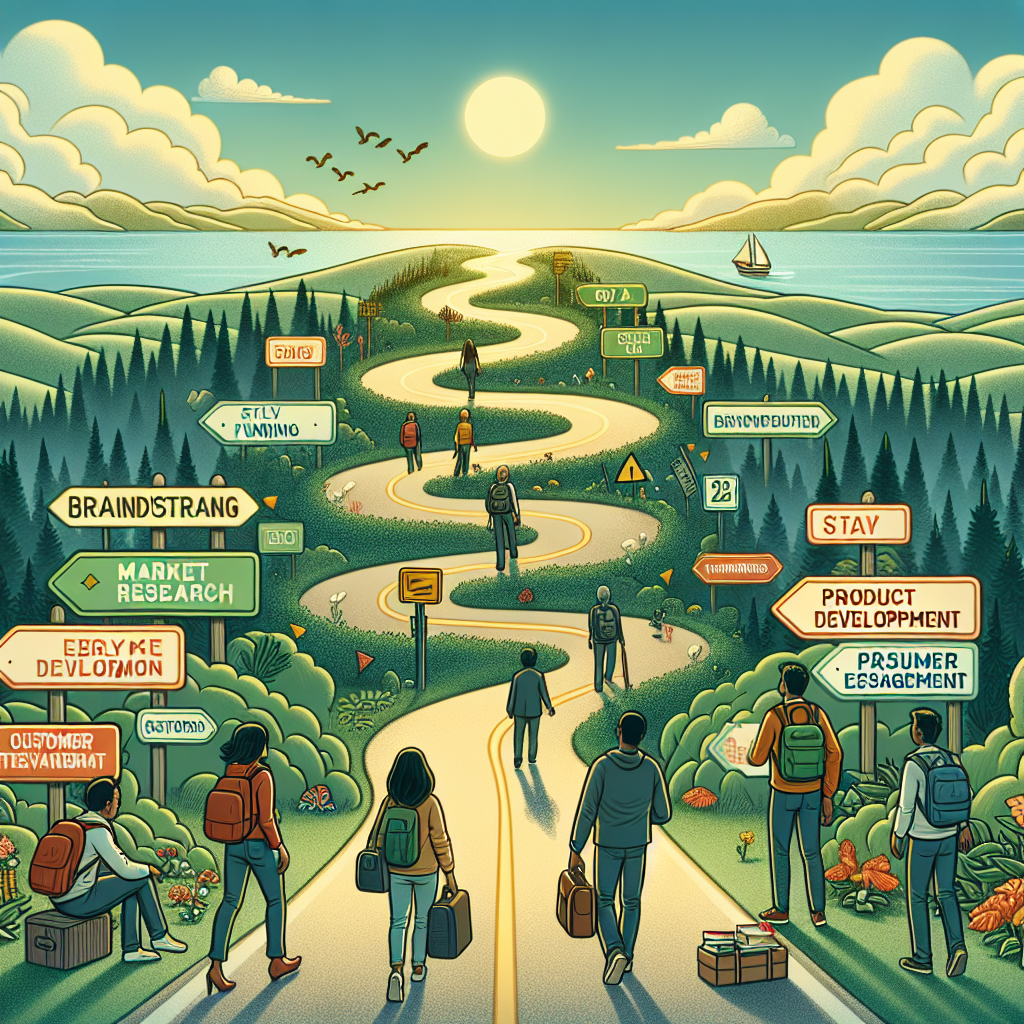
In the modern era of innovation and digital transformation, entrepreneurship and startups have become central to economic growth, technological advancement, and societal change. While the concept of launching a business is centuries old, today’s startup ecosystem is characterized by rapid innovation, venture capital funding, lean methodologies, and global scalability. This article delves into the multifaceted journey of entrepreneurship, examining the stages of startup development, challenges entrepreneurs face, and strategies for success in a competitive marketplace.
Understanding Entrepreneurship
Entrepreneurship is the process of identifying a need in the market and creating a business to fulfill that need. Entrepreneurs are innovators who take on financial and personal risks to bring new products, services, or ideas to life. Unlike traditional business owners who may operate within established markets, entrepreneurs often disrupt existing industries or create entirely new ones.
Entrepreneurship is not just about starting a business; it's a mindset. It involves creativity, resilience, adaptability, and a relentless drive to solve problems. Successful entrepreneurs are visionaries who can foresee trends, understand customer needs, and adapt quickly to changing circumstances.
Types of Entrepreneurs
While all entrepreneurs share common traits, they differ in their motivations, goals, and approaches. Here are a few types of entrepreneurs:
- Small business entrepreneurs: These are individuals who start local businesses such as retail stores, restaurants, or service providers. They typically aim for steady income and community impact.
- Scalable startup entrepreneurs: These entrepreneurs start companies with high growth potential, often in tech or innovation sectors. They seek venture capital and aim for rapid expansion.
- Social entrepreneurs: Focused on solving social, environmental, or economic problems, they prioritize impact over profit.
- Serial entrepreneurs: These individuals launch multiple businesses throughout their careers, driven by the excitement of starting something new.
- Lifestyle entrepreneurs: Motivated by the desire for independence and flexibility, they build businesses that support their preferred way of living.
The Startup Lifecycle
Startups typically evolve through several stages, each with distinct challenges and milestones:
1. Ideation
This is the earliest stage, where the entrepreneur identifies a problem and conceptualizes a solution. It involves brainstorming, market research, and initial validation. The goal is to ensure that the idea addresses a real need and has market potential.
2. Validation
At this stage, startups develop a Minimum Viable Product (MVP) — a simplified version of the product that includes only core features. The MVP is tested with early adopters to gather feedback, validate the product-market fit, and iterate rapidly.
3. Funding
Startups often require external financing to grow. Funding can come from personal savings, friends and family, angel investors, venture capital firms, crowdfunding, or government grants. Each funding source has its pros and cons, and choosing the right investors is crucial for long-term success.
4. Launch
Once the product is refined, the startup officially launches. This phase involves marketing, sales, customer acquisition, and brand building. Entrepreneurs must balance growth with operational efficiency.
5. Growth
Startups in the growth phase scale their operations, expand into new markets, and improve their product offerings. They may also build partnerships, hire talent, and seek additional funding rounds to support expansion.
6. Maturity or Exit
Eventually, startups reach a maturity stage where growth stabilizes. Entrepreneurs may choose to maintain the business, sell it, go public via an IPO, or merge with another company. The exit strategy depends on the founder’s goals and the company’s performance.
Key Challenges Faced by Startups
While the path of entrepreneurship can be rewarding, it is fraught with challenges:
1. Uncertainty and Risk
Startups operate in uncertain environments with limited resources. Entrepreneurs must make decisions with incomplete information and be prepared for setbacks.
2. Funding Constraints
Securing capital is one of the biggest hurdles, especially in the early stages. Investors are cautious and expect clear evidence of potential returns.
3. Talent Acquisition
Attracting skilled employees to a startup with limited financial resources and brand recognition can be difficult. Founders must sell the vision to potential hires.
4. Market Competition
Startups often face established competitors with more resources. Differentiation and innovation are key to gaining market share.
5. Scaling Challenges
Managing rapid growth without compromising quality or culture is a delicate balancing act. Systems, processes, and leadership must evolve as the company scales.
6. Legal and Regulatory Issues
Startups must navigate a complex web of legal requirements, including intellectual property, employment laws, data protection, and industry-specific regulations.
Traits of Successful Entrepreneurs
What sets successful entrepreneurs apart? While every journey is unique, certain traits are commonly found among high-achieving founders:
- Vision: The ability to see opportunities where others don’t.
- Resilience: The mental toughness to overcome failures and setbacks.
- Adaptability: A willingness to pivot and adjust strategies based on feedback and market changes.
- Execution: Turning ideas into action with discipline and focus.
- Leadership: Inspiring and guiding a team toward a shared goal.
- Customer Focus: An unwavering commitment to solving customer problems.
The Role of Technology in Startups
Technology has revolutionized the startup landscape. Cloud computing, mobile apps, artificial intelligence, and data analytics have lowered entry barriers and enabled startups to build, test, and scale faster than ever before.
Platforms like Shopify, Stripe, and AWS allow founders to launch ecommerce businesses, process payments, and scale infrastructure with minimal upfront investment. Social media and digital marketing provide cost-effective channels for reaching target audiences.
Moreover, the rise of remote work and global collaboration tools has enabled startups to build distributed teams, access global talent, and operate from anywhere in the world.
The Startup Ecosystem
A thriving startup ecosystem includes various stakeholders that support entrepreneurs and foster innovation:
- Incubators and accelerators: Programs that provide mentorship, resources, and funding to early-stage startups.
- Coworking spaces: Affordable, flexible workspaces that promote collaboration and networking.
- Venture capital firms: Investors that provide capital in exchange for equity.
- Angel investors: High-net-worth individuals who invest in startups at early stages.
- Government initiatives: Grants, tax incentives, and policies that encourage entrepreneurship.
- Universities and research institutions: Sources of talent, research, and innovation.
Cities like Silicon Valley, New York, London, Berlin, and Bangalore have become global startup hubs due to their dense networks of investors, mentors, and tech talent.
Common Startup Mistakes to Avoid
Many startups fail due to avoidable mistakes. Here are some pitfalls to watch out for:
- Building without validation: Creating a product without confirming the need or demand.
- Ignoring customer feedback: Failing to listen to users or iterate based on their input.
- Scaling too quickly: Expanding before achieving product-market fit.
- Poor financial management: Mismanaging cash flow or underestimating expenses.
- Weak team dynamics: Lack of alignment, communication, or complementary skills.
- Neglecting legal matters: Overlooking contracts, IP protection, or compliance.
Funding and Investment Landscape
Understanding the startup funding stages is vital for entrepreneurs:
- Pre-seed: Often self-funded or supported by friends and family.
- Seed stage: Early investment to build the MVP and validate the market.
- Series A: Funding to optimize product and expand the customer base.
- Series B and beyond: Used for scaling operations, entering new markets, and growing the team.
Investors typically expect a return on investment (ROI) within 5–10 years. Therefore, startups must demonstrate a scalable business model, market opportunity, and a strong founding team.
Building a Resilient Startup Culture
Culture is the invisible force that shapes a startup’s identity. A positive, resilient culture can attract top talent, encourage innovation, and drive performance. Key elements include:
- Transparency: Open communication and honesty.
- Ownership: Empowering employees to take initiative.
- Collaboration: Encouraging teamwork and shared goals.
- Learning mindset: Valuing feedback and continuous improvement.
Founders play a pivotal role in setting the tone, modeling values, and maintaining cultural integrity as the company grows.
Conclusion
Entrepreneurship and startups are catalysts for innovation, job creation, and economic dynamism. While the journey is filled with uncertainties and challenges, it also offers immense opportunities for those who are willing to take the plunge. By understanding the startup lifecycle, embracing resilience, leveraging technology, and building strong teams, entrepreneurs can turn bold ideas into successful ventures.
Whether you’re a first-time founder or a seasoned entrepreneur, the path ahead demands vision, grit, and adaptability. But with the right mindset and support system, the entrepreneurial journey can be one of the most rewarding endeavors of your life.