
Entrepreneurship has long been a cornerstone of innovation, economic growth, and job creation. In today’s fast-paced, technology-driven world, the startup ecosystem plays an increasingly vital role in shaping the future of industries and society at large. Whether you're a budding entrepreneur or a seasoned business owner looking to pivot, understanding the intricacies of entrepreneurship and startups is essential for long-term success. This comprehensive guide explores the fundamentals, challenges, and strategies involved in launching and growing a startup.
What is Entrepreneurship?
Entrepreneurship is the process of identifying a problem or opportunity and creating a business to address it. Entrepreneurs are individuals who take initiative, assume financial risks, and innovate to bring new products, services, or ideas to market. They are often seen as visionaries with a unique ability to foresee trends, fill market gaps, and create value.
At its core, entrepreneurship is about more than just starting a business. It’s about creating something meaningful, often from nothing, and turning it into a sustainable enterprise. Entrepreneurs must be willing to learn, adapt, and persevere through uncertainty and failure.
What Defines a Startup?
A startup is a newly established business, typically in its early stages of development, that aims to solve a specific problem through an innovative product or service. Startups are often characterized by:
- High growth potential
- Scalable business models
- Technology-driven solutions
- Lean operations and limited resources
Startups are not just small businesses. While both may be young or privately owned, startups are designed for rapid growth and often seek external funding to scale quickly. They are experimental by nature, frequently pivoting and iterating based on market feedback.
The Entrepreneurial Mindset
Successful entrepreneurs often share a common set of traits and a mindset that enables them to navigate the ups and downs of startup life. Some of these qualities include:
- Resilience: The ability to bounce back from setbacks
- Adaptability: Willingness to change direction based on market feedback
- Risk-taking: Comfort with uncertainty and financial risk
- Vision: A clear idea of what they want to build and why
- Resourcefulness: Making the most of limited resources
Cultivating these traits can significantly increase the likelihood of success in the entrepreneurial journey.
Steps to Launching a Startup
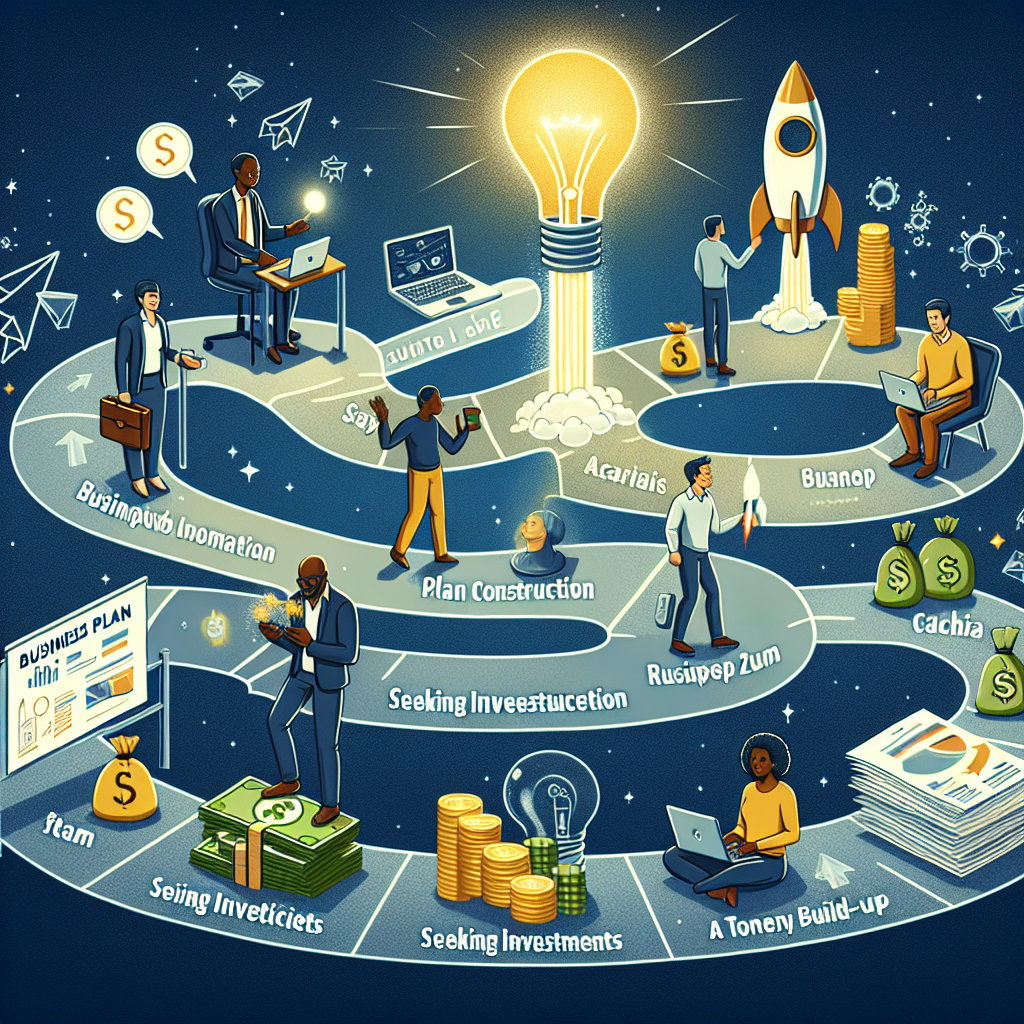
Starting a business involves numerous steps, each critical to building a strong foundation. Here's a high-level overview of the startup development process:
1. Ideation
Every startup begins with an idea. This could stem from identifying a market gap, solving a personal problem, or improving an existing product or service. During this phase, entrepreneurs should:
- Validate their idea with potential customers
- Conduct market research to understand demand and competition
- Define the unique value proposition (UVP)
2. Planning
A solid business plan is essential. It outlines the strategy, market, financial projections, and operational structure. Key components include:
- Executive Summary
- Target Market Analysis
- Marketing and Sales Strategy
- Operations Plan
- Financial Projections
3. Building a Team
Assembling the right team is crucial. Founders should look for individuals who complement their skills, share the same vision, and are committed to the journey. Key early hires may include:
- Co-founders
- Developers or engineers
- Marketing and sales personnel
- Legal and financial advisors
4. Product Development
Most startups begin with a Minimum Viable Product (MVP)—a basic version of the product that solves the core problem. The MVP allows startups to:
- Test hypotheses quickly
- Gather user feedback
- Iterate and improve
5. Funding the Startup
Funding is often a major hurdle. Entrepreneurs can bootstrap or seek external funding through:
- Friends and family
- Angel investors
- Venture capital
- Crowdfunding
- Government grants
Each funding source has pros and cons, and startups should carefully consider their financial needs and long-term goals.
6. Launch and Early Growth
Once the product is market-ready, it’s time to launch. This phase involves:
- Executing a go-to-market strategy
- Acquiring early users or customers
- Monitoring KPIs and user feedback
Marketing channels may include social media, SEO, content marketing, paid ads, and partnerships.
Common Challenges Faced by Startups
Launching a startup is exciting, but not without its difficulties. Some of the most common challenges include:
1. Market Fit
Many startups fail because they build something people don’t want. Achieving product-market fit—where the product meets a strong market demand—is crucial.
2. Cash Flow Management
Poor financial management can quickly derail a startup. Founders must carefully track expenses, revenue, and runway.
3. Competition
Startups often enter competitive markets. Differentiation and a clear UVP are key to standing out.
4. Talent Acquisition
Finding skilled employees who align with the startup’s culture and mission can be challenging.
5. Scaling
Scaling too quickly can lead to operational inefficiencies. Startups must ensure their infrastructure, team, and processes can handle growth.
Key Metrics for Startup Success
Tracking the right metrics helps startups make informed decisions. Important KPIs include:
- Customer Acquisition Cost (CAC)
- Lifetime Value (LTV)
- Churn Rate
- Monthly Recurring Revenue (MRR)
- Burn Rate
- Conversion Rates
These metrics provide insight into financial health, user engagement, and growth.
Startup Ecosystem and Support
The startup ecosystem includes accelerators, incubators, co-working spaces, mentors, and investors that support entrepreneurs. Key benefits of engaging with the ecosystem include:
- Access to funding and resources
- Mentorship and guidance
- Networking opportunities
- Exposure to potential customers and partners
Popular startup hubs include Silicon Valley, New York, London, Berlin, Bangalore, and Tel Aviv, though vibrant ecosystems now exist globally.
The Role of Technology in Startups
Technology is at the heart of most startups today. It enables innovation, scalability, and efficiency. From software and mobile apps to AI and blockchain, technology allows startups to:
- Automate processes
- Reach global markets
- Analyze data for better decision-making
- Offer personalized user experiences
Tech tools commonly used by startups include:
- Project Management: Trello, Asana, Notion
- Communication: Slack, Zoom, Microsoft Teams
- Marketing: HubSpot, Mailchimp, Google Ads
- Development: GitHub, AWS, Firebase
Pivoting and Iteration
Not all startups succeed with their initial idea. Many successful companies—like Twitter, Slack, and Instagram—started as something else and pivoted based on user feedback. Pivoting involves:
- Identifying what’s not working
- Analyzing customer feedback and data
- Making strategic changes to the product or business model
The ability to pivot effectively can mean the difference between failure and success.
Exit Strategies
Eventually, startups may reach a point where founders and investors seek an exit. Common exit strategies include:
- Acquisition: Being bought by a larger company
- Initial Public Offering (IPO): Going public on the stock market
- Merger: Combining with another company
- Private Sale: Selling to another entrepreneur or investor
Each option has different implications for control, valuation, and future growth.
Conclusion
Entrepreneurship and startups are engines of innovation and economic development. While the journey is challenging, it offers unparalleled opportunities for personal growth, financial reward, and societal impact. By understanding the fundamentals—from ideation and funding to product development and scaling—aspiring entrepreneurs can increase their chances of building successful, sustainable startups.
In a world that rewards creativity, resilience, and vision, there has never been a better time to embark on the entrepreneurial journey. Whether you're solving a global problem or improving a niche service, the possibilities are endless for those willing to take the leap.
Remember, every successful startup begins with a single idea—and the courage to act on it.