
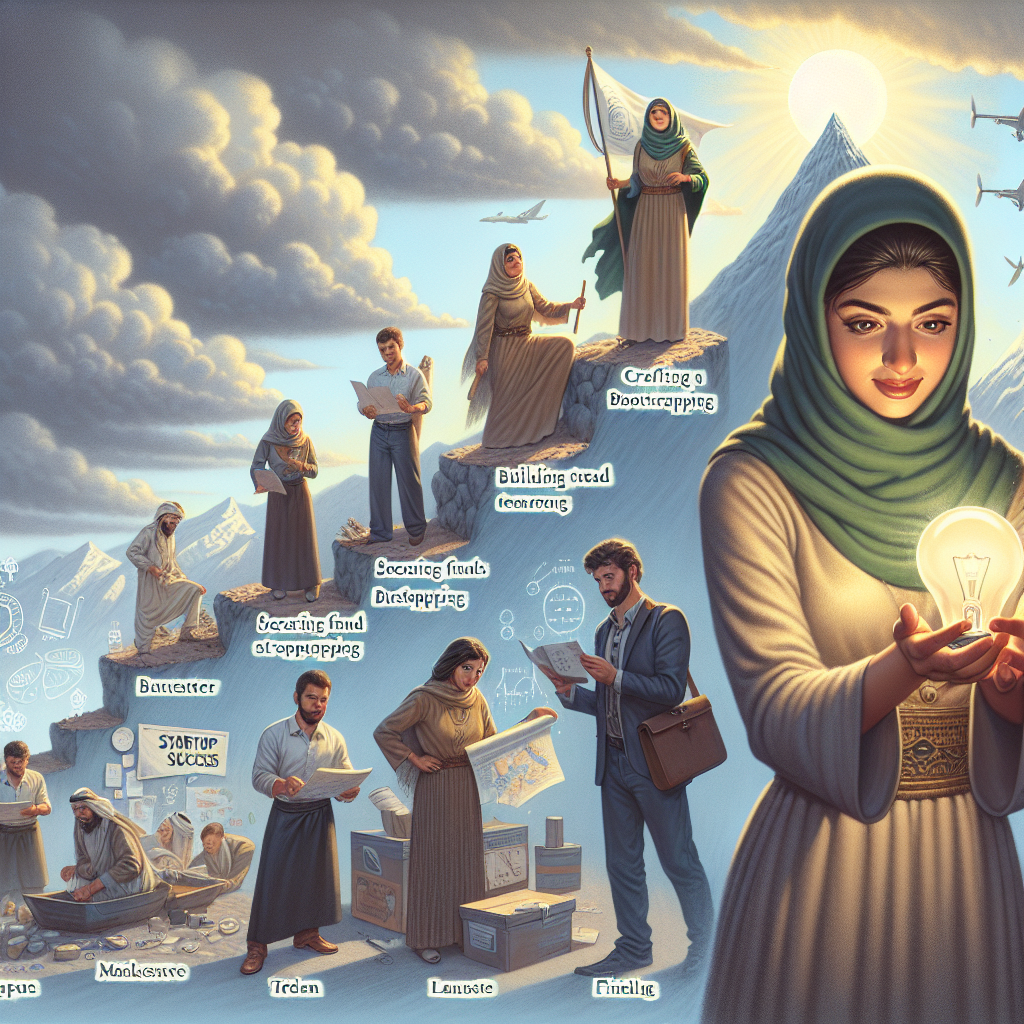
Entrepreneurship & Startups: A Complete Guide to Building from Scratch
In today’s fast-paced and innovation-driven world, entrepreneurship is more than a buzzword—it’s a movement. From Silicon Valley to emerging tech hubs around the globe, startups are transforming industries, disrupting traditional business models, and solving real-world problems. But behind every unicorn success story lies a journey filled with uncertainty, grit, creativity, and resilience.
Whether you're a budding entrepreneur or simply curious about what makes startups thrive, this comprehensive guide will walk you through the essential stages of the entrepreneurial journey—from ideation and validation to scaling and sustainability.
I. Understanding Entrepreneurship: What It Really Means
Entrepreneurship is the process of identifying a problem, envisioning a solution, and organizing resources to bring that solution to life—usually through a new business venture. Entrepreneurs are not just business owners; they are innovators and risk-takers who challenge the status quo.
Key Traits of Successful Entrepreneurs:
- Visionary thinking
- Resilience and adaptability
- Problem-solving mindset
- Willingness to take calculated risks
- Strong communication and leadership skills
While the media often portrays entrepreneurs as lone geniuses, most successful ventures are built by teams who combine their diverse skills to create value.
II. Ideation: Turning a Thought into a Business Idea
Every startup begins with an idea—but not every idea is worth pursuing. The ideation phase is about generating, refining, and evaluating concepts.
Sources of Startup Ideas:
- Personal pain points or unmet needs
- Gaps in existing markets
- Innovations in technology
- Changes in regulation or policy
Validating Your Idea:
- Conduct market research
- Talk to potential customers
- Study competitors
- Build a minimum viable product (MVP)
Tools like surveys, focus groups, and landing pages can help gauge interest before investing significant time or money.
III. Building a Business Model
A business model outlines how your startup will create, deliver, and capture value. One of the most popular frameworks is the Business Model Canvas, which includes:
- Value Proposition: What problem are you solving?
- Customer Segments: Who are your users or buyers?
- Channels: How will you reach them?
- Customer Relationships: What kind of support or interaction will you provide?
- Revenue Streams: How will you make money?
- Key Resources: What assets are essential?
- Key Activities: What are your critical operations?
- Key Partnerships: Who will help you succeed?
- Cost Structure: What are your major expenses?
Clarity in your business model will guide decision-making and attract investors.
IV. Assembling Your Startup Team
Your team is one of your most valuable assets. In the early stages, founders often wear multiple hats, but as the business grows, having the right mix of talent becomes crucial.
Roles in a Startup:
- CEO/Founder: Vision and leadership
- CTO/Technical Co-founder: Builds and maintains the product
- CMO: Drives marketing and customer acquisition
- CFO: Manages finances and fundraising
What to Look for in Co-Founders:
- Complementary skills
- Shared vision and values
- Strong communication
- Commitment to the long haul
Use co-founder matching platforms or attend startup events to find potential collaborators.
V. Legal Structure and Formalization
Choosing the right legal structure affects taxes, liability, and fundraising. Common structures include:
- Sole Proprietorship
- Partnership
- Limited Liability Company (LLC)
- Corporation (C-Corp or S-Corp)
In the U.S., many startups opt for a Delaware C-Corp due to investor familiarity and favorable laws.
Other Legal Considerations:
- Register your business name
- Apply for an EIN (Employer Identification Number)
- Draft founder agreements and share vesting schedules
- Protect intellectual property (trademarks, patents, copyrights)
VI. Building and Launching Your MVP
A Minimum Viable Product (MVP) is a basic version of your product that solves a core problem. The goal is to launch quickly, learn from user feedback, and iterate.
MVP Strategies:
- No-code tools (Bubble, Webflow, Glide)
- Lean product development
- Crowdfunding campaigns for validation (Kickstarter, Indiegogo)
Track early metrics like user sign-ups, engagement, retention, and churn to understand what’s working.
VII. Funding Your Startup
Funding is often a major hurdle. Your source of capital depends on your business stage and model.
Types of Funding:
- Bootstrapping: Using personal savings
- Friends and Family: Early informal investment
- Angel Investors: High-net-worth individuals
- Venture Capital (VC): Institutional funding
- Crowdfunding: Raising small amounts from many people
- Grants and Competitions: Non-dilutive funding
Prepare a compelling pitch deck and practice your pitch. Highlight the problem, solution, market size, traction, business model, and team.
VIII. Marketing and Customer Acquisition
You may build the best product, but without users, your startup won’t survive. Growth doesn’t happen by accident—it requires a well-planned marketing strategy.
Channels to Consider:
- Content marketing (blogs, SEO)
- Social media advertising
- Email marketing
- Influencer partnerships
- Public relations
- Referral programs
Product-market fit happens when your product satisfies a strong market demand. You’ll know you’ve reached it when retention and word-of-mouth grow organically.
IX. Scaling Your Business
Once you’ve validated your product and achieved some traction, it’s time to scale. Scaling involves expanding operations, customer base, and revenue without proportionally increasing costs.
Key Scaling Strategies:
- Automate operations
- Expand to new markets
- Hire strategically
- Optimize customer support
- Raise additional funding
But scaling too early can backfire. Ensure your processes and team can handle growth.
X. Learning from Failure
90% of startups fail. But failure isn’t the end—it’s a learning opportunity.
Common Reasons for Failure:
- No market need
- Cash flow issues
- Poor team dynamics
- Pricing/model issues
- Ineffective marketing
Be transparent with your team and investors. Analyze what went wrong, pivot if necessary, or move on to your next venture armed with experience.
XI. Startup Culture and Mindset
Culture isn’t just perks and ping-pong tables—it’s the behaviors, values, and practices that define how your team works.
Key Elements of a Strong Culture:
- Transparency and open communication
- Empowerment and ownership
- Diversity and inclusion
- Customer-centric mindset
Leadership sets the tone. As a founder, your actions shape your startup’s culture more than any mission statement.
XII. Exit Strategies: The End Game
An exit doesn’t mean failure—it’s often the goal. Common exit strategies include:
- Acquisition: Being bought by a larger company
- IPO (Initial Public Offering): Going public
- Merger: Joining forces with another company
- Management buyout
Each exit has implications for your team, investors, and legacy. Plan for it early—even if it’s years away.
Conclusion: The Entrepreneur’s Journey Is Just Beginning
Entrepreneurship is not a destination but a continuum of learning, building, failing, and growing. It’s about solving meaningful problems, creating value, and impacting lives.
While the road is challenging, it’s also incredibly rewarding. With the right mindset, resources, and support system, you can turn your vision into a thriving startup.
So whether you’re sketching your first idea on a napkin or scaling your Series A-funded company, remember: every successful entrepreneur once stood where you are right now.
Keep learning. Keep building. And above all—keep going.