
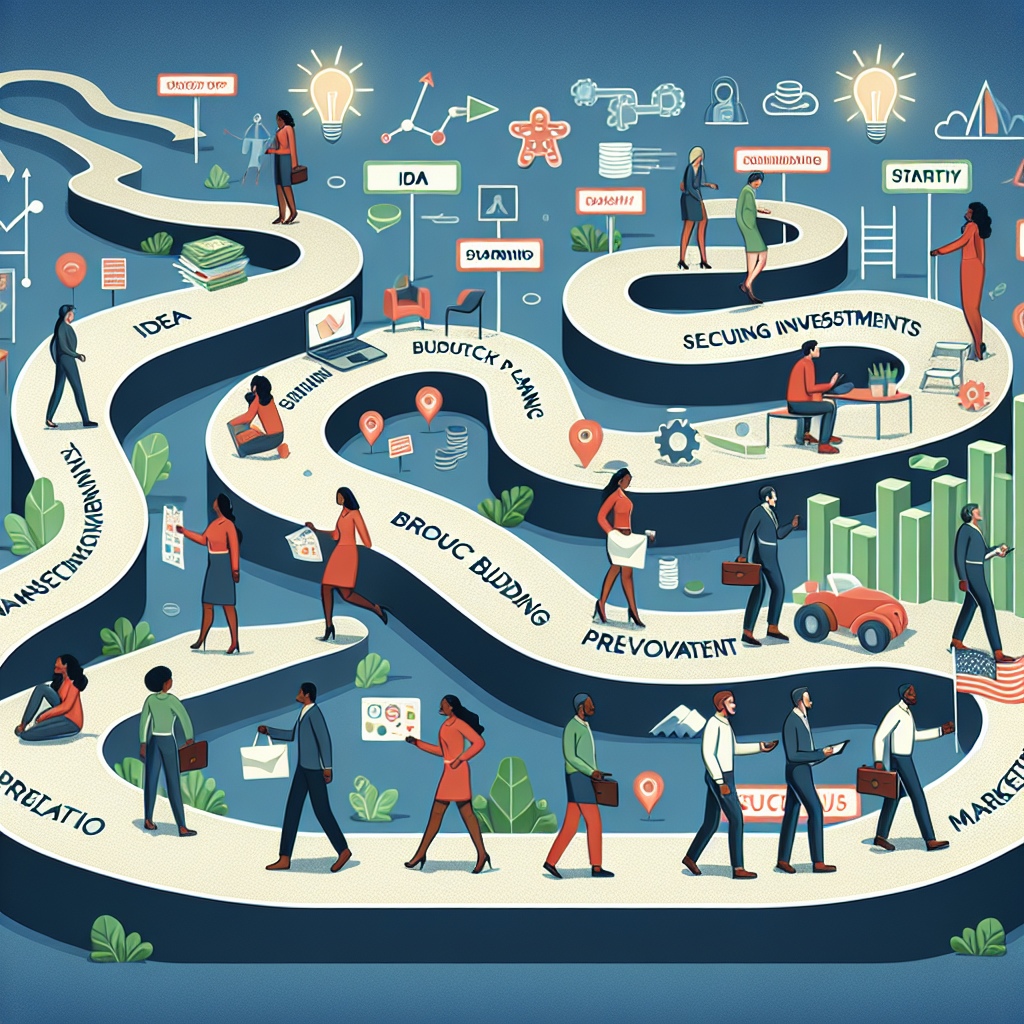
Entrepreneurship & Startups: Mastering the Journey
In an ever-evolving global economy, entrepreneurship has become a defining force of innovation, economic development, and personal achievement. Startups—often the engines of this entrepreneurial revolution—bring new ideas to life, challenge traditional industries, and create employment opportunities. Whether you’re an aspiring entrepreneur or a seasoned business owner looking to scale, understanding the intricacies of launching and growing a startup is essential.
This comprehensive guide dives deep into the world of entrepreneurship and startups, exploring everything from ideation and validation to funding, scaling, and overcoming common challenges.
- What Is Entrepreneurship?
Entrepreneurship is the process of identifying a problem or opportunity and creating a business to address it. It involves taking risks, innovating, and managing resources to build a profitable and sustainable enterprise. Entrepreneurs can operate in any industry—tech, healthcare, education, retail, and beyond.
Key Characteristics of Entrepreneurs:
- Visionary mindset
- Risk tolerance
- Adaptability
- Resilience
- Leadership and communication skills
Entrepreneurs are not just business owners; they are change-makers who drive progress by introducing new products, services, or business models.
- Understanding Startups
A startup is a young company founded to develop a unique product or service and bring it to market. Unlike traditional businesses, startups are designed to scale rapidly, often leveraging technology and innovation. The goal of a startup is usually to disrupt existing markets or create entirely new ones.
Stages of a Startup:
- Ideation
- Validation
- MVP (Minimum Viable Product) development
- Product-market fit
- Growth and scaling
- Maturity or exit (via acquisition or IPO)
Startups operate in environments of uncertainty and must be agile and responsive to market feedback.
- The Entrepreneurial Mindset
Success in entrepreneurship requires more than just a good idea. A strong entrepreneurial mindset is crucial for navigating the ups and downs of startup life.
Core Elements:
- Growth mindset: Embrace failure as an opportunity to learn.
- Grit: Persist through obstacles.
- Creativity: Find innovative solutions to problems.
- Customer obsession: Focus relentlessly on user needs.
Developing this mindset helps entrepreneurs stay focused and motivated, even in the face of adversity.
- Finding and Validating a Business Idea
All startups begin with an idea. However, not all ideas are worth pursuing. Validation is the process of testing your idea with real users before investing heavily in product development.
Steps to Validate Your Idea:
- Identify a real problem worth solving.
- Conduct market research and competitor analysis.
- Create a value proposition.
- Build a simple prototype or MVP.
- Collect feedback from early adopters.
Tools like surveys, interviews, and landing pages can help gauge interest and demand.
- Building the Right Team
A startup’s success often hinges on its founding team. The right mix of skills, experience, and chemistry is vital.
Key Roles in a Startup:
- CEO/Founder: Visionary and strategist.
- CTO: Technical lead for product development.
- CMO: Marketing and customer acquisition expert.
- CFO: Financial planning and operations.
Startups should also consider advisors, mentors, and early hires who align with the company’s mission and culture.
- Funding Your Startup
Access to capital is often necessary to build and scale a startup. There are several ways to fund a startup, each with its own advantages and disadvantages.
Common Funding Options:
- Bootstrapping: Using personal savings or revenue to fund growth.
- Friends and family: Informal funding from close connections.
- Angel investors: Wealthy individuals who invest early in exchange for equity.
- Venture capital: Institutional investors looking for high-growth opportunities.
- Crowdfunding: Raising small amounts from many people, typically via platforms like Kickstarter or Indiegogo.
Each funding round (Seed, Series A, B, etc.) aligns with specific business milestones and growth objectives.
- Product Development and MVP
Creating a Minimum Viable Product (MVP) allows startups to launch quickly, test assumptions, and iterate based on user feedback. The MVP should include only the core features needed to solve the primary user problem.
Process:
- Define the problem and user persona.
- Map out user journeys.
- Identify essential features.
- Build and launch quickly.
- Collect and analyze data.
Agile development methodologies help teams remain flexible and responsive during this phase.
- Achieving Product-Market Fit
Product-market fit occurs when your product satisfies a strong market demand. It’s a crucial milestone that signals readiness for growth.
Indicators of Product-Market Fit:
- High customer retention and satisfaction.
- Strong word-of-mouth referrals.
- Rapid growth in user base.
- Revenue traction and repeat purchases.
Reaching this point often requires multiple iterations and pivots. Continuous feedback loops are essential.
- Marketing and Customer Acquisition
Once you’ve validated your product, you need to attract and retain customers. A solid marketing strategy is essential for growth.
Strategies:
- Content marketing: Blogs, videos, and thought leadership.
- Social media: Building community and brand awareness.
- SEO and SEM: Driving traffic through organic and paid search.
- Email marketing: Nurturing leads and increasing retention.
- Partnerships: Collaborating with other businesses.
Customer acquisition cost (CAC) and lifetime value (LTV) are key metrics to track.
- Scaling Your Startup
Scaling involves expanding operations, increasing user base, and maximizing revenue. It requires robust systems, strong leadership, and scalable processes.
Tips for Effective Scaling:
- Invest in technology and automation.
- Hire strategically with a focus on culture fit.
- Strengthen customer support and retention.
- Monitor KPIs and optimize conversion funnels.
Avoid scaling prematurely, which can lead to burnout, financial strain, or failure.
- Startup Culture and Leadership
Culture plays a critical role in a startup’s long-term success. A positive, inclusive, and mission-driven work environment attracts top talent and fosters innovation.
Attributes of a Strong Startup Culture:
- Transparency and open communication.
- Empowerment and autonomy.
- Alignment with core values.
- Recognition and growth opportunities.
Effective leadership means being adaptable, empathetic, and able to inspire and motivate your team.
- Common Challenges and How to Overcome Them
Every startup faces hurdles. Anticipating and preparing for these challenges can make the difference between success and failure.
Common Obstacles:
- Cash flow issues: Maintain lean operations and monitor burn rate.
- Market competition: Focus on unique value proposition and customer experience.
- Talent acquisition: Build a strong employer brand and hiring pipeline.
- Burnout: Prioritize mental health, delegate, and maintain work-life balance.
Resilience, resourcefulness, and mentorship are key assets during tough times.
- Exit Strategies
An exit strategy outlines how founders and investors will realize a return on their investment.
Typical Exit Options:
- Acquisition: Selling the company to a larger firm.
- IPO (Initial Public Offering): Going public to raise funds and provide liquidity.
- Mergers: Combining with another company for strategic growth.
- Shutdown: In cases of failure, winding down operations responsibly.
Planning for an exit—even early on—helps align strategic decisions and stakeholder expectations.
- Learning from Successful Startups
Studying successful startups can provide valuable insights and inspiration.
Examples:
- Airbnb: Solved a real problem with limited resources, scaled globally.
- Slack: Pivoted from a gaming company to a workplace communication tool.
- Canva: Made design accessible to non-designers with an intuitive platform.
Common Themes:
- Deep understanding of user needs.
- Relentless focus on product-market fit.
- Agile and innovative teams.
- Final Thoughts: Embracing the Entrepreneurial Journey
Entrepreneurship is not just a career path—it’s a mindset and lifestyle. It requires courage, continuous learning, and an unwavering belief in your vision. While the journey can be daunting, the rewards—personal growth, impact, and financial success—can be transformational.
Whether you're starting from scratch or looking to elevate your existing venture, remember that every successful entrepreneur once stood where you are today. Embrace the process, seek mentorship, stay customer-focused, and never stop iterating.
The world needs your ideas. Now is the time to bring them to life.