
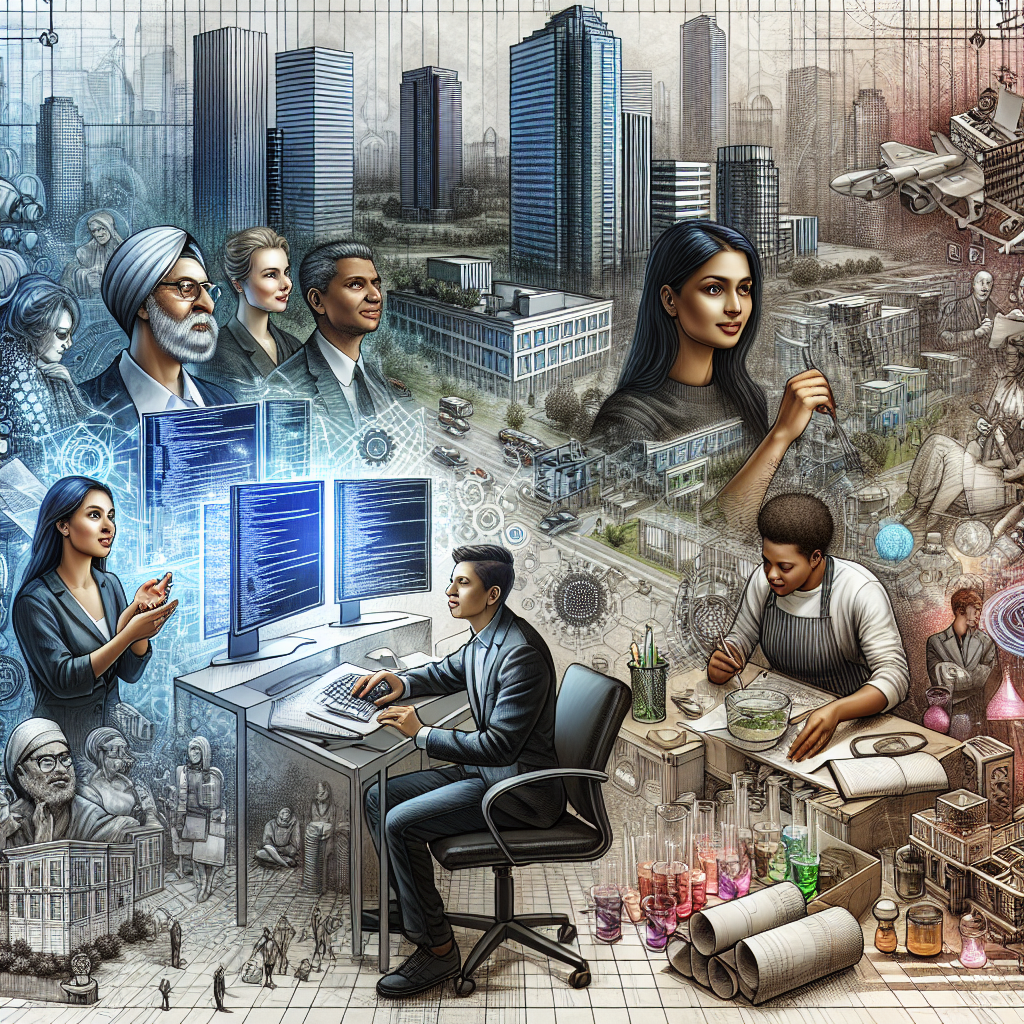
In recent decades, entrepreneurship has transitioned from a niche career path to a global movement reshaping economies, industries, and personal aspirations. Startups, often at the heart of this revolution, are not just small businesses—they are high-growth ventures that aim to disrupt markets, challenge norms, and scale rapidly. With the proliferation of technology, accessible capital, and a cultural shift toward innovation, the startup ecosystem has never been more vibrant. This article explores the landscape of entrepreneurship and startups, including key characteristics, challenges, and strategies for success.
What Is Entrepreneurship?
Entrepreneurship is the process of identifying a problem or opportunity and creating a business to address it. Entrepreneurs are risk-takers, visionaries, and problem-solvers who bring innovation to the market. They are often driven by the desire for independence, impact, and financial reward.
Types of Entrepreneurship:
- Small Business Entrepreneurship: Local businesses such as cafés, salons, and retail stores.
- Scalable Startup Entrepreneurship: Tech startups aiming to create a scalable business model.
- Corporate Entrepreneurship (Intrapreneurship): Innovation within large organizations.
- Social Entrepreneurship: Ventures that aim to solve social problems while maintaining financial sustainability.
- Lifestyle Entrepreneurship: Businesses built to support a desired way of life rather than maximum profit.
The Startup Ecosystem
A startup ecosystem is a community of individuals and organizations—including entrepreneurs, investors, mentors, incubators, accelerators, universities, and government bodies—that interact to promote and support the creation and growth of new businesses.
Key Players:
- Entrepreneurs: Founders who develop and lead startups.
- Investors: Angel investors, venture capitalists, and crowdfunding backers.
- Incubators and Accelerators: Organizations that provide resources, mentorship, and funding.
- Mentors and Advisors: Experienced professionals who guide startups.
- Customers: Early adopters who validate the product and provide feedback.
- Government and Policy Makers: Entities that shape the regulatory and financial environment.
The Lifecycle of a Startup
-
Ideation: This is the brainstorming phase, where founders identify a problem and propose a solution. Market research, competitor analysis, and customer validation are critical.
-
Validation: At this stage, entrepreneurs create a minimum viable product (MVP) to test assumptions. Feedback loops help refine the product or service.
-
Formation: Founders register the business, define equity splits, and assemble a core team. Legal and financial foundations are established.
-
Funding: Startups often need capital to grow. Funding rounds include:
- Bootstrapping: Self-funding or using revenue.
- Seed Funding: Early investment from angel investors or seed funds.
- Series A, B, C, etc.: Venture capital rounds tied to growth milestones.
-
Growth: Startups scale operations, expand their customer base, and improve the product. Metrics such as revenue growth, user retention, and customer acquisition cost become crucial.
-
Maturity or Exit: Some startups become mature companies, while others exit through acquisition, merger, or IPO (Initial Public Offering).
Challenges Faced by Startups
Starting and growing a new venture is not without obstacles. Common challenges include:
- Funding: Securing capital is one of the most significant hurdles.
- Market Fit: Finding a product-market fit requires iteration and deep customer understanding.
- Talent Acquisition: Attracting and retaining skilled employees is vital.
- Competition: Startups often face pressure from established incumbents and other disruptors.
- Legal and Compliance: Navigating the regulatory environment can be complex.
- Burnout: The intense pace and uncertainty can lead to mental and physical exhaustion.
Why Startups Succeed
While failure is common—some estimates suggest 90% of startups fail—certain traits and practices increase the likelihood of success:
- Strong Founding Team: Complementary skills, mutual trust, and shared vision are essential.
- Clear Value Proposition: Successful startups solve real problems with clearly defined solutions.
- Customer Focus: Deep understanding of customer needs and behavior drives product development.
- Agility: The ability to pivot based on market feedback is a hallmark of resilient startups.
- Scalable Business Model: Startups that can grow revenue faster than costs attract investment.
- Effective Marketing: Building brand awareness and acquiring users efficiently is crucial.
The Role of Technology
Technology is a major enabler of entrepreneurship. Digital tools reduce barriers to entry and provide platforms for innovation:
- Cloud Computing: Reduces infrastructure costs and allows scalability.
- Social Media: Enables low-cost marketing and community building.
- E-commerce Platforms: Provide easy access to global markets.
- Mobile Apps: Offer new channels for customer interaction and service delivery.
- AI and Data Analytics: Help startups make informed decisions and personalize user experiences.
Funding Sources for Startups
- Bootstrapping: Using personal savings or reinvesting profits.
- Friends and Family: Informal loans or equity investments.
- Angel Investors: Individuals who invest early in exchange for equity.
- Venture Capital: Professional firms that fund high-growth startups.
- Crowdfunding: Raising small amounts of money from a large number of people.
- Government Grants: Non-dilutive funding offered for innovation and research.
Global Trends in Entrepreneurship
- Rise of Remote Startups: Digital tools and remote work culture have enabled global teams and lowered operational costs.
- Focus on Sustainability: Green startups and social enterprises are gaining traction.
- Emerging Markets: Asia, Africa, and Latin America are seeing a surge in entrepreneurial activity.
- Diversity and Inclusion: More women and underrepresented groups are entering the startup space.
- Tech-Enabled Solutions: From fintech to healthtech, startups are leveraging technology to solve pressing problems.
Entrepreneurial Mindset
Being an entrepreneur goes beyond starting a business. It’s about a mindset characterized by:
- Risk Tolerance: Comfort with uncertainty and failure.
- Resilience: The ability to bounce back from setbacks.
- Innovation: Constant search for better solutions.
- Vision: Seeing opportunities where others see obstacles.
- Adaptability: Willingness to pivot and embrace change.
Government and Institutional Support
Governments around the world are recognizing the economic and social value of startups. Support mechanisms include:
- Startup Incubators and Hubs: Physical and virtual spaces offering resources and mentorship.
- Tax Incentives: Reducing financial burdens on early-stage companies.
- Regulatory Sandboxes: Controlled environments for testing innovations.
- Education and Training: Entrepreneurship programs in universities and communities.
Success Stories: Inspiration from the Field
Some of the world’s most influential companies started as scrappy startups:
- Apple: Began in a garage and revolutionized personal computing.
- Airbnb: Disrupted the hospitality industry with a peer-to-peer model.
- Stripe: Simplified online payments and became a fintech giant.
- Canva: Democratized graphic design with an intuitive platform.
- Zoom: Emerged as a leader in video communication during a global crisis.
Lessons from these companies include the importance of perseverance, timing, user experience, and the ability to scale.
The Future of Startups
The startup landscape continues to evolve. Future trends include:
- Decentralized Finance (DeFi): Blockchain-based financial services.
- Artificial Intelligence: Startups using AI to automate and innovate.
- HealthTech and BioTech: Transforming healthcare delivery and innovation.
- ClimateTech: Addressing climate change through sustainable solutions.
- EdTech: Making education more accessible and personalized.
Conclusion
Entrepreneurship and startups are powerful engines of innovation, economic growth, and societal change. While the journey from idea to impact is fraught with challenges, the rewards—both personal and professional—can be immense. With the right mindset, support systems, and strategic planning, the next great startup could emerge from anywhere. Whether you're an aspiring entrepreneur or a seasoned founder, the time to build, innovate, and lead is now.