
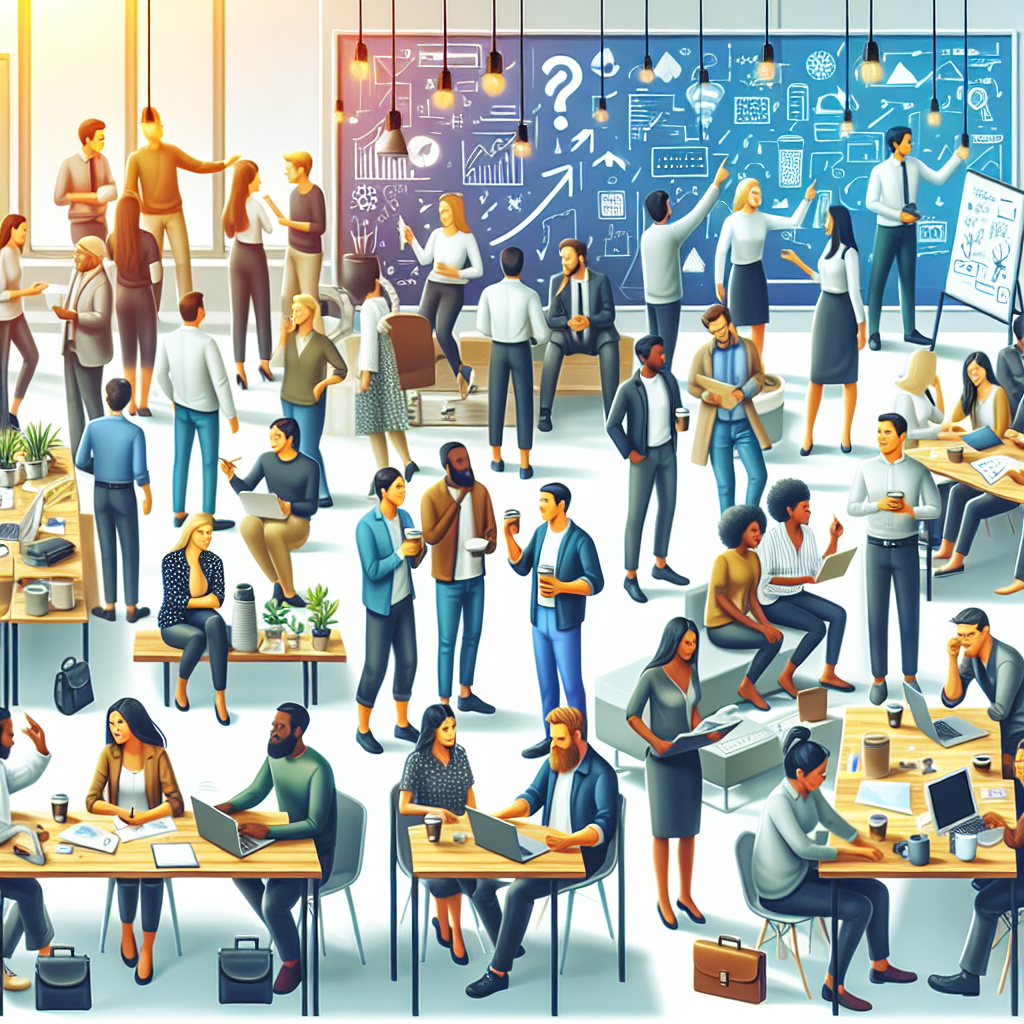
In today’s fast-paced digital age, entrepreneurship and startup culture have become defining elements of modern economies. From Silicon Valley to Bangalore, innovative thinkers and risk-takers are challenging traditional business models, disrupting industries, and creating groundbreaking products and services. This article explores the rise of entrepreneurship, the dynamics of startup ecosystems, the challenges founders face, and the global impact of this transformative movement.
The Evolution of Entrepreneurship
Entrepreneurship is not a new concept. Visionaries like Thomas Edison, Henry Ford, and Madam C.J. Walker were early pioneers who transformed their ideas into thriving businesses. However, the modern wave of entrepreneurship is characterized by rapid technological advances, easier access to capital, and a cultural shift that celebrates innovation and risk-taking more than ever before.
In the past, starting a business required significant capital, physical infrastructure, and long-term planning. Today, thanks to the internet, cloud computing, and mobile technology, launching a startup can be as simple as writing code from a coffee shop. This democratization of business has opened the door for individuals from all walks of life to become entrepreneurs.
What Defines a Startup?
A startup is typically defined as a young company founded to develop a unique product or service and bring it to market. Unlike small businesses that aim for stability and profitability, startups are usually designed to scale quickly and disrupt existing industries. They often operate in uncertain environments with an emphasis on growth over immediate profits.
Startups are known for their agility, lean operations, and innovative cultures. They thrive on experimentation, iterative development, and a willingness to pivot when necessary. Companies like Airbnb, Uber, and Spotify started as small ventures but rapidly scaled to become global leaders.
The Startup Ecosystem
The success of a startup often depends on the strength of its surrounding ecosystem. A robust startup ecosystem includes a combination of:
- Entrepreneurs: The visionary individuals who identify opportunities and are willing to take calculated risks.
- Investors: Angel investors, venture capitalists, and crowdfunding platforms that provide the necessary funding.
- Incubators and Accelerators: Organizations that support early-stage startups with mentorship, resources, and networking.
- Educational Institutions: Universities and colleges that foster innovation, research, and talent development.
- Government Support: Policies, grants, and tax incentives that encourage entrepreneurship.
- Corporate Partnerships: Larger companies that invest in or collaborate with startups.
Cities like San Francisco, New York, London, Berlin, and Tel Aviv have become global hubs for startups due to the presence of these components. Emerging ecosystems are also gaining traction in regions like Southeast Asia, Africa, and Latin America.
The Entrepreneurial Mindset
At the heart of every startup is an entrepreneur with a vision. Successful entrepreneurs share several key traits:
- Resilience: The ability to bounce back from failures and setbacks.
- Adaptability: A willingness to pivot and adjust business models quickly.
- Risk Tolerance: Comfort with uncertainty and the potential for failure.
- Vision: A clear idea of the problem being solved and the impact desired.
- Leadership: The ability to inspire, motivate, and lead a team.
Entrepreneurship is as much a mindset as it is a career path. It requires a unique blend of creativity, strategic thinking, and execution.
Challenges Faced by Startups
While the startup journey can be exhilarating, it is also fraught with challenges:
- Funding: Securing capital is one of the biggest hurdles, especially for early-stage startups.
- Market Fit: Developing a product that meets genuine market needs requires extensive research and user feedback.
- Competition: Startups often go head-to-head with established players who have more resources.
- Talent Acquisition: Attracting and retaining skilled team members can be difficult.
- Scalability: Managing rapid growth without compromising quality or culture is a delicate balance.
- Regulatory Hurdles: Navigating legal and compliance issues can be complex, especially in highly regulated industries.
Despite these obstacles, many entrepreneurs find the journey rewarding due to the opportunity to create, innovate, and make a lasting impact.
Funding the Dream
Funding is a critical component of startup success. There are various stages and sources of funding:
- Bootstrapping: Using personal savings or revenue from early sales.
- Friends and Family: Informal investment from close contacts.
- Angel Investors: Wealthy individuals who invest in exchange for equity.
- Venture Capital (VC): Firms that invest larger sums in high-growth startups.
- Crowdfunding: Platforms like Kickstarter and Indiegogo that allow the public to fund ideas.
- Grants and Competitions: Non-dilutive funding from governments or organizations.
Each funding source comes with its own expectations, terms, and levels of involvement.
Innovation and Disruption
Startups are often at the forefront of innovation. They are not bound by legacy systems or bureaucratic inertia, allowing them to experiment freely. Many of today’s most significant technological advancements—such as artificial intelligence, blockchain, and biotechnology—are being driven by startups.
Disruption occurs when a startup introduces a new way of doing things that fundamentally changes an industry. For example:
- Uber disrupted the taxi industry with ride-hailing technology.
- Airbnb transformed hospitality by enabling home sharing.
- Netflix revolutionized media consumption with streaming.
These companies didn’t just improve existing services—they redefined them.
The Role of Technology
Technology is the backbone of modern startups. Cloud computing, mobile apps, big data, and AI have lowered entry barriers and enabled rapid prototyping, deployment, and scaling. With tools like GitHub, Slack, Zoom, and AWS, teams can collaborate globally and build sophisticated products with minimal overhead.
Moreover, digital marketing and social media have enabled startups to reach global audiences with limited budgets. SEO, content marketing, influencer partnerships, and paid ads allow for precise targeting and rapid feedback.
Social Entrepreneurship and Impact Startups
Not all startups are focused solely on profit. Social entrepreneurship combines business goals with a mission to solve social, environmental, or humanitarian problems. Impact startups tackle issues like climate change, education, healthcare, and poverty.
For example:
- Patagonia integrates environmental activism into its business model.
- TOMS Shoes pioneered the one-for-one giving model.
- Kiva offers microloans to entrepreneurs in developing countries.
These ventures prove that profit and purpose can coexist.
Diversity in Entrepreneurship
The entrepreneurial world is becoming more diverse, but challenges remain. Women, minorities, and underrepresented groups often face additional barriers, including limited access to funding and mentorship.
However, initiatives like female-focused VC funds, minority incubators, and inclusive pitch competitions are helping to level the playing field. Diversity in entrepreneurship leads to richer perspectives, more innovative solutions, and better overall outcomes.
The Future of Startups
The future of startups is both promising and dynamic. Trends that will shape the next decade include:
- Remote Work: Distributed teams and digital nomadism will become the norm.
- Sustainability: Eco-friendly products and practices will gain precedence.
- HealthTech and BioTech: Startups will continue to innovate in healthcare.
- AI and Automation: Intelligent systems will transform industries.
- FinTech: Financial services will become more accessible and efficient.
- Decentralization: Blockchain technology will redefine ownership and trust.
Government policies, global connectivity, and emerging technologies will continue to fuel the startup engine.
Conclusion
Entrepreneurship and startups are more than buzzwords—they are powerful forces reshaping our world. They embody the spirit of innovation, resilience, and progress. While the path is fraught with challenges, the rewards—both personal and societal—are immense.
Whether you're a budding entrepreneur, an investor, or simply an enthusiast, understanding the dynamics of the startup ecosystem is essential in navigating and contributing to the future. As we move forward, one thing is certain: startups will continue to be the catalysts of change in our global economy.